
- Home/
- Buy Antabuse Online in the United States Safely and Conveniently
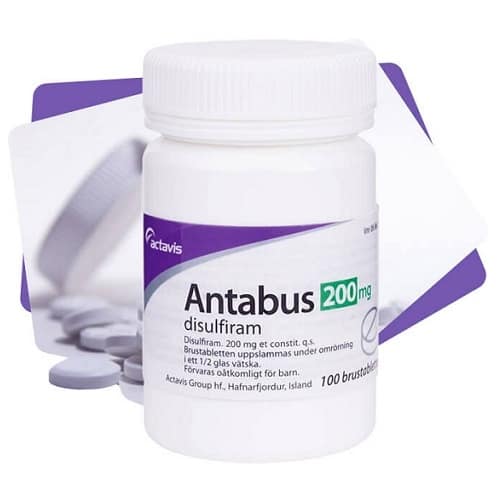
Can Antabuse Be Obtained Without a Prescription in United States?
No, Antabuse (disulfiram) is a prescription-only medication in the United States. It is not legally available over the counter or without a valid prescription from a licensed healthcare provider.
Key Takeaways for Patients Considering Antabuse in the United States
- Antabuse is intended for adults with alcohol dependence who are committed to abstinence and are under the care of a qualified healthcare professional.
- A prescription is required to obtain Antabuse at all U.S. pharmacies and legitimate telemedicine services.
- Antabuse does not address cravings or withdrawal symptoms; it works by deterring alcohol use through an unpleasant physical reaction if alcohol is consumed.
- The most important safety consideration is to avoid any products containing alcohol while on Antabuse—including certain foods, medications, and topical products.
- Results are immediate upon alcohol exposure, but Antabuse must be taken consistently to maintain its protective effect.
- Consult your doctor immediately if you experience difficulty breathing, chest pain, or symptoms of liver injury.
How Does Antabuse Work? Understanding the Biochemical Mechanism
Antabuse contains disulfiram, which acts by irreversibly inhibiting the enzyme aldehyde dehydrogenase (ALDH) in the liver. Normally, when alcohol (ethanol) is consumed, it is first metabolized to acetaldehyde by alcohol dehydrogenase. Acetaldehyde is then rapidly converted to harmless acetic acid by ALDH. Disulfiram blocks this critical second step, causing acetaldehyde to accumulate in the blood to levels 5–10 times higher than normal. This accumulation triggers a rapid and severe “disulfiram-ethanol reaction” characterized by flushing, throbbing headache, nausea, vomiting, shortness of breath, palpitations, and hypotension—creating a strong deterrent to drinking alcohol.
In plain terms: Imagine your body’s ability to process alcohol as a two-stage filter. Disulfiram effectively blocks the second filter, leading to a backup of toxic byproducts if you consume alcohol. This makes drinking while on Antabuse highly unpleasant, discouraging further alcohol use.
Antabuse is not effective unless the patient is motivated to abstain and is willing to comply with treatment. It only works when alcohol is ingested—there are no effects in the absence of alcohol intake.
Myth: Antabuse removes the urge to drink alcohol.
Reality: Antabuse does not reduce cravings or withdrawal symptoms—it simply produces a severe reaction if alcohol is consumed.
Expert Commentary: What Patients Expect vs. Realities of Antabuse Treatment
As a physician, I often observe that patients expect Antabuse to “fix” their alcohol dependence automatically. However, many underestimate the discipline required to avoid all forms of alcohol, not just beverages but also hidden sources like mouthwash or cough syrup. Some believe the fear of a reaction will instantly remove the desire to drink, but cravings and psychological factors remain. A common clinical challenge is that the deterrent effect works only when the patient continues to take Antabuse regularly and is honest with their healthcare provider. Patients rarely ask about the impact on social activities, food choices, or over-the-counter products, which can lead to accidental exposures. It’s crucial for patients to discuss these practicalities up front and understand that Antabuse is one piece of a comprehensive recovery plan.
How Should Antabuse Be Taken? Dosage, Timing, and Duration
Standard Initiation: In the United States, the typical starting dose for adults is 500 mg orally once daily for 1–2 weeks. The maintenance dose is usually 250 mg once daily (range: 125–500 mg/day), always at the lowest effective dose.
- Take Antabuse in the morning. For those experiencing drowsiness, dosing may be shifted to the evening.
- Peak blood levels are reached in about 8–12 hours.
- Duration of effect: The deterrent effect persists for up to 1–2 weeks after stopping the medication, due to its irreversible binding to the enzyme.
- Maximum daily dose: Do not exceed 500 mg per day.
- Tablet splitting: Most branded and generic disulfiram tablets can be split if scored, but always check with your pharmacist as some formulations should not be divided.
- Special populations: Dose adjustments may be necessary in elderly patients or those with mild hepatic or renal impairment. Consult your doctor for personalized recommendations.
Antabuse is not recommended for use in children or adolescents under age 18.
Can I Take Antabuse With Food, Alcohol, or Other Substances?
Food: Antabuse can be taken with or without food. Food does not significantly alter its absorption. However, taking with food may reduce gastrointestinal upset in some patients.
Alcohol: Strictly avoid all alcohol-containing products—including beverages, sauces, vinegars, extracts, cough syrups, tonics, and even topical products like aftershaves and perfumes—while taking Antabuse and for at least 14 days after the last dose.
Grapefruit juice: No significant interaction with Antabuse has been reported, but use caution if taking other medications metabolized by the liver.
Fatty Meals: Do not delay or alter the onset of Antabuse effects.
| Product Type | Can it be combined? | Consequences |
|---|---|---|
| Aspirin | Yes | No significant interaction |
| Acetaminophen (Tylenol) | Yes | Monitor for added liver strain |
| Nitroglycerin | STRICTLY NO | Severe hypotension risk |
| Alcohol (any form) | STRICTLY NO | Potentially life-threatening reaction |
| Cough syrup (with alcohol) | NO | High risk of disulfiram-alcohol reaction |
| SSRIs (e.g., sertraline) | Yes, with monitoring | No major interaction reported |
When Is Antabuse Contraindicated or Should Be Used With Caution?
Antabuse is not suitable for all patients. Contraindications are divided into absolute and relative:
- Absolute contraindications (never use):
-
- Current or recent alcohol intoxication (must be sober for at least 12 hours prior to initiation)
- Severe myocardial disease or coronary artery disease (risk of arrhythmias or heart failure with disulfiram-alcohol reaction)
- Psychosis, severe personality disorders, or history of suicide attempts
- Pregnancy and breastfeeding (safety not established)
- Severe hepatic impairment or cirrhosis
- Known hypersensitivity to disulfiram or thiuram derivatives
- Concomitant use of metronidazole or paraldehyde
- Relative contraindications (use with caution):
-
- Mild to moderate liver or kidney impairment
- Diabetes mellitus (risk of hypoglycemia during vomiting episodes)
- Elderly patients
- History of epilepsy or cerebral damage
- Respiratory disease
Antabuse should be initiated only under medical supervision, especially in patients with cardiovascular, hepatic, or psychiatric comorbidities. In cases of recent heart attack or stroke, treatment may be considered only after stabilization and with cardiology input.
What Side Effects Are Most Common With Antabuse?
Side effects can be grouped by frequency and severity:
- Very common (>1 in 10): Drowsiness, fatigue, headache, metallic or garlic-like taste, skin rash, acneiform eruptions.
- Common (1 in 100 to 1 in 10): Impotence, allergic dermatitis, mild gastrointestinal upset (nausea, vomiting), mild liver function abnormalities.
- Rare (1 in 1,000 to 1 in 100): Hepatitis, neuropathy (tingling, numbness), psychotic reactions, optic neuritis.
- Very rare (<1 in 10,000): Severe liver failure, optic neuritis, confusional states, severe allergic reactions.
Mechanisms: Most common effects like drowsiness and taste changes are due to CNS penetration and sulfur content. Rash is often an allergic-type response. Rare toxic hepatitis is believed to be idiosyncratic and unpredictable.
If you experience yellowing of the skin, dark urine, severe abdominal pain, persistent vomiting, or confusion, stop the medication and seek emergency care immediately—these may signal liver injury or severe reaction.
If mild side effects occur (e.g., drowsiness, taste changes), discuss with your doctor before stopping Antabuse.
Patient Mistakes That Can Jeopardize Antabuse Treatment Success
- Skipping doses intentionally or “testing” the reaction: Some patients believe missing a dose makes drinking safer. In reality, the deterrent effect can persist for up to two weeks—risking unpredictable reactions. Always follow your prescribed schedule.
- Underestimating hidden sources of alcohol: Many forget that alcohol is in sauces, desserts, mouthwash, topical products, and certain medications. Read labels carefully and consult your healthcare provider or pharmacist about questionable products.
- Stopping Antabuse prematurely after early success: Early abstinence can build false confidence, but relapse risk remains high. Do not discontinue unless advised by your doctor.
- Not disclosing new medications to healthcare providers: Some antibiotics (e.g., metronidazole) or cardiac drugs can interact dangerously with disulfiram. Inform every provider you are taking Antabuse.
- Misinterpreting minor side effects as treatment failure: Mild drowsiness or taste changes are expected and usually temporary. Discuss side effects with your doctor rather than discontinuing.
- Assuming Antabuse alone is sufficient: Without psychological or behavioral support, relapse risk remains high. Engage in comprehensive addiction treatment.
How Does Antabuse Compare With Other Treatments for Alcohol Dependence?
| Drug Name | Mechanism | Onset Speed | Duration of Effect | Side Effect Profile | Prescription Requirement | Estimated Price per Month (USD) |
|---|---|---|---|---|---|---|
| Antabuse (Disulfiram) | ALDH inhibitor (deterrent) | Immediate upon alcohol intake | 1–2 weeks after last dose | Drowsiness, rash, hepatitis (rare), severe reaction with alcohol | Yes | $40–$90 |
| Naltrexone (ReVia, Vivitrol) | Opioid antagonist (reduces reward) | Within days | Daily oral or monthly injection | Nausea, headache, possible liver enzyme elevation | Yes | $70–$300 (oral); $1,200–$1,500 (injection) |
| Acamprosate (Campral) | Modulates glutamate/GABA | Within 5–7 days | Continuous with dosing | Diarrhea, upset stomach, anxiety | Yes | $120–$200 |
Antabuse is generally less expensive than other options, but is best suited for highly motivated patients with reliable support systems. Naltrexone and acamprosate require different approaches and do not cause aversive reactions with alcohol but help with cravings and abstinence.
Technical Details: Antabuse (Disulfiram) Quick Reference Table
| Parameter | Value |
|---|---|
| Active Ingredient | Disulfiram |
| Available Strengths | 250 mg, 500 mg tablets |
| Formulation | Oral tablet (scored) |
| Peak Effect | 8–12 hours after dose |
| Duration of Action | 1–2 weeks after last dose |
| Storage | Room temperature (20–25°C/68–77°F) |
| Manufacturer | Multiple U.S. generic manufacturers |
Step-by-Step: How to Obtain Antabuse Safely in the United States
- Schedule a medical consultation with a primary care provider, addiction specialist, or psychiatrist. This can be via in-person appointment or accredited telemedicine platform.
- Undergo a thorough assessment of medical history, liver and heart function, and readiness for abstinence. Provide a list of all current medications and disclose any psychiatric or cardiac conditions.
- Receive a prescription if Antabuse is deemed appropriate. The prescription may be sent electronically to your chosen pharmacy.
- Fill the prescription at a licensed pharmacy (chain drugstore, local independent, or verified mail-order pharmacy). Present valid identification if requested.
- Receive counseling from the pharmacist about proper use, potential side effects, and alcohol avoidance during therapy.
- Attend follow-up appointments as advised to monitor liver function and mental health, and to adjust treatment as needed.
What Should I Do If I Experience an Overdose or Severe Reaction?
- Stop Antabuse and all alcohol-containing products immediately.
- Call 911 or your local emergency services if you experience severe symptoms such as chest pain, difficulty breathing, arrhythmias, collapse, or signs of liver failure.
- Inform emergency personnel about the exact dose taken, the timing, and any alcohol exposure.
- Bring the medication packaging with you to the hospital for reference.
- Do not attempt to induce vomiting unless directed by a healthcare professional.
Pharmacokinetics: How Is Antabuse Processed and Eliminated?
After oral administration, disulfiram is absorbed in the gastrointestinal tract and rapidly converted in the liver to its active metabolites. It binds irreversibly to aldehyde dehydrogenase, so the enzyme remains inhibited until new enzymes are synthesized. The elimination half-life is 60–120 hours. Most metabolites are excreted in urine and feces. Because disulfiram is metabolized in the liver, hepatic impairment can prolong its duration and increase the risk of toxicity.
Important Considerations for Special Patient Groups
- Elderly patients: Increased risk of side effects; start at the lowest effective dose and monitor closely.
- Patients with liver or kidney impairment: Carefully assess risks and monitor liver function. Dosage reduction may be necessary.
- Pregnancy and breastfeeding: Antabuse is not recommended due to insufficient safety data; discuss alternative treatments with your physician.
- Mental health conditions: Use with caution in those with a history of depression, psychosis, or suicide attempts.
- Ability to drive or operate machinery: Drowsiness and impaired concentration have been reported. Use caution until you know how Antabuse affects you.
- Fertility: No well-documented impact but discuss with your doctor if you are planning pregnancy.
How Can I Verify I Am Using Genuine Antabuse or Disulfiram?
- Packaging: Original U.S. Antabuse or generic disulfiram comes in sealed blister packs or prescription bottles, clearly labeled with the drug name, strength, manufacturer, and National Drug Code (NDC).
- Tablet appearance: White, round or oval, often scored, with embossed manufacturer marks or codes.
- Security features: Look for tamper-evident seals, lot number, and expiration date.
- Unusually low prices or offers from unverified online pharmacies are common signs of counterfeit or substandard products.
- QR codes or serialization: Some manufacturers include these; scan for verification if present.
Original vs Generic Disulfiram: What’s the Difference?
The patent for Antabuse has expired, and multiple generics (labeled as “disulfiram”) are available in the United States. Generics must meet FDA bioequivalence standards, meaning they are therapeutically equivalent to the brand. Generic tablets may have different shapes, colors, or inert (inactive) ingredients. In rare cases, individuals may be allergic to an excipient, so check with your pharmacist if you have known sensitivities.
Generics offer significant cost savings without sacrificing safety or efficacy—provided you purchase from a licensed U.S. pharmacy.
How to Identify Legitimate Online Pharmacies in the United States
- Verify that the website is licensed in the U.S. and displays the NABP .pharmacy accreditation or is listed with your state Board of Pharmacy.
- Require a valid prescription; any site offering prescription medications without a prescription is operating illegally.
- Beware of unrealistically low prices, unprofessional website design, or lack of contact information.
- Legitimate pharmacies will provide clear information about pharmacists, privacy, and U.S. contact details.
- Counterfeit risks are high with unlicensed sellers and may result in ineffective or harmful products, customs seizures, or personal data theft.
You can check pharmacy license status through your state Board of Pharmacy or the National Association of Boards of Pharmacy (NABP).
Is Psychological Support Needed With Antabuse?
Alcohol dependence is a complex and common medical condition with both psychological and physical components. Many people benefit from counseling, support groups, or behavioral therapies alongside medication. Don’t hesitate to seek help—talking to a professional or a trusted loved one can be a critical part of recovery.
Questions Patients Often Ask doctor
- How will I know if Antabuse is “working”?
- You won’t feel anything unless you consume alcohol. The medicine acts as a deterrent, not a craving suppressant. Success is best measured by ongoing sobriety and adherence to your treatment plan.
- Can I ever drink alcohol again after stopping Antabuse?
- The deterrent effect persists for up to 2 weeks after your last dose, so consuming alcohol during this time may still provoke a reaction. If you choose to stop Antabuse, discuss a safe plan with your doctor.
- What should I do if I miss a dose?
- Take your next dose as soon as you remember, unless it’s almost time for your next dose. Don’t double up. Missing doses can reduce the deterrent effect and increase relapse risk.
- Is it safe to use products like mouthwash or cologne?
- Many of these items contain alcohol and may trigger a reaction, especially if ingested or applied to broken skin. Choose alcohol-free or consult your pharmacist for safe alternatives.
- How will my progress be monitored by my doctor?
- Regular follow-up appointments will be scheduled to monitor liver function, discuss side effects, and support your recovery. You should also report any new symptoms or medication changes.
- Can I take Antabuse with other medications for depression or anxiety?
- In many cases, yes, but always inform your doctor as some medications (e.g., metronidazole, certain cardiac drugs) can interact dangerously with Antabuse.
- What if I feel unwell after my first dose?
- Mild drowsiness or metallic taste is common and usually fades. Severe symptoms (jaundice, vomiting, confusion) require immediate medical attention.
Frequently Asked Questions About Antabuse in the United States
Is Antabuse effective for all people with alcohol dependence?
Antabuse is most effective for individuals who are motivated to maintain abstinence and have a supportive environment. It is not suitable for those with certain medical or psychiatric conditions or those unable to adhere to treatment.
How long should I take Antabuse?
Treatment duration varies. Some patients use it for months to years, depending on their recovery progress and physician recommendation. Never stop Antabuse without consulting your doctor.
What happens if I accidentally consume alcohol while taking Antabuse?
You may experience a rapid, severe reaction: flushing, nausea, vomiting, palpitations, low blood pressure, shortness of breath, or even collapse. Seek medical attention immediately if this occurs.
Can I get Antabuse without a prescription in the U.S.?
No. A valid prescription is required by law for all forms of Antabuse/disulfiram in the United States.
What is the typical cost of Antabuse?
Generic disulfiram costs about $40–$90 per month without insurance; prices can vary by pharmacy and region. Insurance, Medicaid, or prescription assistance programs may reduce your out-of-pocket cost.
Does Antabuse interact with over-the-counter pain relievers?
Most non-alcohol-containing OTC pain relievers are safe, but always check for alcohol in liquid formulations and consult your pharmacist about any new medications.
How can I tell if my medication is counterfeit?
Purchase only from licensed U.S. pharmacies. Check for correct labeling, packaging, and security features. If in doubt, consult your pharmacist or report to the FDA’s MedWatch program.
Can I use Antabuse if I am pregnant or trying to conceive?
Antabuse is not recommended during pregnancy or while breastfeeding. Discuss alternative treatments with your healthcare provider if you are planning a family.
How quickly does Antabuse take effect?
Antabuse begins to work as a deterrent within 12 hours of your first dose, but its effects persist for up to 1–2 weeks after stopping.
Is it safe to buy Antabuse online?
Only if the pharmacy is verified, licensed in the U.S., and requires a prescription. Many online sellers are unregulated and may supply counterfeit or unsafe products.
Clinical Assessment by doctor: When Is Antabuse Most Appropriate?
In my clinical practice, Antabuse is best suited for patients with a strong commitment to sobriety who have a stable social support network and can reliably adhere to the regimen. It is most beneficial for those who have failed other interventions or whose drinking is triggered by specific social cues, as the deterrent mechanism can provide an extra layer of accountability. Conversely, Antabuse is often less appropriate for patients with significant cognitive impairment, uncontrolled psychiatric disorders, or those at risk for impulsive behavior, as the risk of an unintentional disulfiram-alcohol reaction can outweigh potential benefits. Patients with advanced liver disease, cardiac conditions, or a history of severe allergic reactions are not good candidates. When cravings are a dominant issue or patient motivation is low, agents like naltrexone or acamprosate may be preferable. I recommend regular reassessment, as support needs and risk profiles evolve over time. Combining Antabuse with counseling and psychosocial interventions yields the best outcomes for long-term recovery.
References
- U.S. Food and Drug Administration (FDA). Disulfiram (Antabuse) Prescribing Information. Accessed June 2026. FDA.gov
- National Institute on Alcohol Abuse and Alcoholism (NIAAA), Alcohol Use Disorder: A Clinical Update, 2025. NIAAA
- Substance Abuse and Mental Health Services Administration (SAMHSA), Treatment Improvement Protocol 49: Incorporating Alcohol Pharmacotherapies into Medical Practice, Revised 2025. SAMHSA
- Jonas DE, Amick HR, Feltner C, et al. Pharmacotherapy for Adults With Alcohol Use Disorders in Outpatient Settings: A Systematic Review and Meta-analysis. JAMA. 2024;331(4):377-389. JAMA Network
- National Association of Boards of Pharmacy (NABP). Information About .Pharmacy Accredited Sites. Accessed June 2026. NABP
- Mayo Clinic. Disulfiram (Oral Route) Description and Brand Names. Accessed June 2026. Mayo Clinic
- MedlinePlus. Disulfiram. Accessed June 2026. MedlinePlus
- ClinicalTrials.gov. Studies on Disulfiram in Alcohol Use Disorder. Accessed June 2026. ClinicalTrials.gov