
- Home/
- Buy Clomid Without Prescription in the United States Online
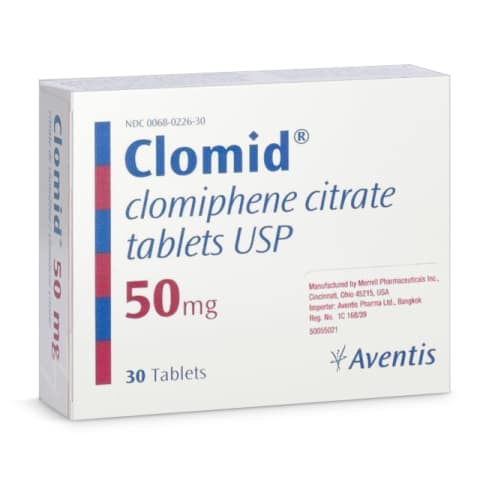
Clomid (clomiphene) is a prescription medication used to help women in the United States who are struggling with infertility, especially those who are not ovulating regularly. For many, it’s the first real step on the road to pregnancy—yet the experience is rarely as simple as it sounds. The most important thing to know before starting: Clomid can be highly effective in the right patients, but successful treatment depends as much on your unique situation, expectations, and support from your care team as on the pill itself.
Clomid Realities: What Patients in the U.S. Need to Know First
The first mention of Clomid rarely comes as a surprise for women in the United States wrestling with infertility. But the moment your doctor actually recommends it is different—suddenly hope comes with a prescription, a calendar, and a rush of questions that no pamphlet truly answers.
Here’s the reality: Clomid is one of the most commonly prescribed infertility medications in the U.S. Its active ingredient, clomiphene, has been used for decades and is FDA-approved for inducing ovulation. That longevity and track record mean Clomid is often the first pharmaceutical step for women whose primary problem is anovulation—cycles in which eggs are not released regularly, most commonly due to conditions like polycystic ovary syndrome (PCOS).
But widespread use is not the same as simple use. What many patients don’t realize until they start: Clomid’s success depends on careful selection, timing, and realistic expectations—not just taking a pill and waiting for a positive test. For some, it’s life-changing. For others, it brings frustration, unexpected side effects, and a need to pivot quickly if cycles don’t go as hoped.
Working through the emotional landscape of infertility is tough enough. Understanding what Clomid can—and cannot—do is your best first step.
How Clomid Works—And What That Means for Your Fertility Journey
Clomid is not magic. It acts on the brain, not directly on the ovaries. The key move: Clomid blocks estrogen receptors in the hypothalamus, which tricks your body into thinking estrogen levels are low. This stimulates production of follicle-stimulating hormone (FSH) and luteinizing hormone (LH), pushing the ovaries toward ovulation.
For many women with irregular or absent ovulation, this nudge is exactly what’s needed. But the experience is rarely textbook. Some will ovulate on the first cycle, others require dose adjustments, and a subset discover that Clomid’s mechanism simply isn’t enough. The textbook may say “most women ovulate on Clomid,” but in real life, success is more nuanced.
- FSH (Follicle-Stimulating Hormone)
- This hormone encourages your ovaries to develop eggs. Clomid raises FSH to trigger ovulation.
- LH (Luteinizing Hormone)
- LH surges just before ovulation, signaling the egg to be released. Clomid raises LH as well.
- Estrogen Feedback Loop
- By blocking estrogen’s feedback, Clomid makes the brain “think” estrogen is low, increasing FSH and LH.
What does this mean for you? Clomid is less a guarantee than a diagnostic test and a treatment rolled into one. If you respond with consistent ovulation but don’t conceive, the focus may shift to other factors: sperm, tubes, uterine issues, or the need for more advanced therapies.
Clomid Compared: How It Stacks Up Against Other Female Infertility Medications
| Attribute | Clomid (Clomiphene) | Letrozole (Femara) | Injectable Gonadotropins |
|---|---|---|---|
| Indication | First-line for anovulatory infertility (esp. PCOS) | Alternative first-line, growing use in PCOS | Second-line or for IVF, resistant cases |
| Mechanism | Estrogen receptor modulator in hypothalamus | Aromatase inhibitor; lowers estrogen production | Direct ovarian stimulation with FSH/LH |
| Typical Ovulation Rate | 70-80% | ~70-80% | ~90%+ |
| Pregnancy Rate (per 6 cycles) | 30-40% | Similar, may be higher in some PCOS cases | Varies; higher but with greater risk and cost |
| Common Side Effects | Hot flashes, mood swings, bloating, headaches | Fatigue, dizziness, minimal anti-estrogenic symptoms | Ovarian hyperstimulation, injection site reactions |
| Monitoring Needed | Minimal, may monitor ovulation | Similar to Clomid | Regular ultrasounds, bloodwork |
| Multiple Birth Risk | ~7-10% (mostly twins) | Slightly lower than Clomid | Up to 20% (including triplets or more) |
| Cost (U.S.) | Generic, low out-of-pocket | Generic, low out-of-pocket | High, often thousands per cycle |
| Prescription Status | Prescription only | Prescription only | Specialist prescription only |
| Insurance Coverage | Often covered for ovulation induction | Variable; more plans now include | Variable, dependent on policy and indication |
In daily practice, Clomid remains the starting point for many women with unexplained anovulation or PCOS in the United States. Letrozole offers similar (and in some cases, slightly better) results for certain patients, especially those with PCOS, and some clinics now prefer it due to its side effect profile and (possibly) lower risk of multiples. Injectable gonadotropins are considered when oral agents fail, but they come with higher costs, a dramatically increased risk of multiples, and require close monitoring by a fertility specialist. For most patients, Clomid’s balance of convenience, cost, and safety still makes it the first step—though it’s no longer the only option, and your clinic may recommend Letrozole first for some scenarios.
Who Really Benefits from Clomid? Clinical Insights and Patient Stories
Not every patient with infertility is a candidate for Clomid. Success hinges on precise diagnosis, careful patient selection, and realistic expectations about what this treatment can accomplish. The classic Clomid responder is a woman under age 35 with well-documented anovulation—often due to PCOS—normal uterine anatomy, and a male partner with a normal or only mildly abnormal semen analysis.
Yet, the truth is messier. Some women with regular cycles benefit. Others with textbook PCOS do not. The real-world answer is often found in the gray areas—where the textbook ends and clinical judgment begins.
doctor: “In my experience, Clomid works best when used as a true test of ovarian function. If you’re not ovulating because of PCOS or mild hypothalamic issues, Clomid can trigger ovulation in most cases. But if you have other factors—blocked tubes, severe male factor infertility, diminished ovarian reserve—it’s unlikely to work, and starting Clomid without checking these first often leads to wasted time and frustration.”
- Patient A: 29, PCOS, no ovulation for 8 months. Clomid 50mg triggered ovulation on first cycle; pregnant by cycle three.
- Patient B: 33, regular but anovulatory cycles, mild male factor. Ovulated on 100mg Clomid, but no pregnancy; switched to IUI plus Clomid, conceived by cycle two.
- Patient C: 36, PCOS, high BMI, failed to ovulate after three cycles at 150mg. Switched to letrozole, ovulated, conceived after four more months.
Understanding your unique fertility profile—and having a frank conversation with your doctor—determines whether Clomid is a smart move or a diversion from more effective therapies.
Taking Clomid the Right Way: Timing, Dosing, and Monitoring
Clomid is not “one size fits all.” While standard U.S. protocols start at 50mg daily for five days, typically beginning on day 3, 4, or 5 of your menstrual cycle, adjustments are common based on your response. Most cycles are closely timed with your period, but natural cycles, induced withdrawal bleeds, or cycles after hormonal contraception can all serve as starting points.
| Starting Dose | Duration (Days) | Cycle Days | Typical Next Steps |
|---|---|---|---|
| 50 mg | 5 | Days 3-7 or 5-9 | If no ovulation, increase to 100 mg |
| 100 mg | 5 | Same as above | Repeat or increase to 150 mg if still no ovulation |
| 150 mg | 5 | Same as above | If no ovulation at 150 mg, consider alternative therapy |
Most women will ovulate on 50 or 100 mg. Doses above 150 mg rarely add benefit and may increase risk of side effects. U.S. guidelines recommend no more than 6 cycles of Clomid, as continued use beyond this rarely improves pregnancy rates and may increase risk of ovarian cysts or other complications.
Monitoring varies. Some providers recommend home ovulation predictor kits, others check bloodwork or schedule ultrasounds. In the U.S., practice varies by region, insurance, and clinical protocol, but close follow-up is advised for safety and to identify when it’s time to move on if no ovulation occurs.
Which Side Effects Matter Most with Clomid—And When to Act
For most women, Clomid is well tolerated. Side effects, when they appear, are usually mild and temporary, resolving after the five-day dosing window. But some effects can surprise—and a few require immediate attention.
- Hot Flashes: Up to 1 in 3 women report sudden warmth or flushing. Annoying but not dangerous.
- Mood Swings/Irritability: Emotional volatility is common. If you have a history of depression or anxiety, tell your doctor before starting.
- Bloating/Abdominal Pain: Mild discomfort is expected. Severe pain, especially with swelling, is not—call your physician.
- Headache/Visual Disturbances: Some women notice headaches or temporary visual changes (blurred vision, spots). New or persistent changes should be reported immediately.
- Ovarian Cysts: Less common, but possible with repeated cycles. May present as pelvic pressure or persistent discomfort.
- Multiple Births: Twin risk is about 7-10%; higher-order multiples are rare but possible.
- Ovarian Hyperstimulation Syndrome (OHSS): Rare with Clomid, but severe abdominal pain, rapid weight gain, breathing difficulties are warning signs. Seek urgent care.
| Side Effect | Estimated Frequency | When to Contact Your Doctor |
|---|---|---|
| Hot flashes | Up to 30% | Only if severe or persistent |
| Mood changes | 10-20% | If interfering with daily life or worsening mood disorder |
| Visual disturbances | 1-2% | Immediately, especially if not resolving after stopping the drug |
| Abdominal pain/bloating | 10-15% | If severe, sudden, or associated with swelling |
| Ovarian cysts | Rare | If persistent pelvic pain or discomfort |
| OHSS | <1% | Urgently, if rapid weight gain or breathing difficulty |
| Multiple births | 7-10% twins, rare for higher multiples | Discuss risks before starting |
Clomid is not associated with an increased risk of ovarian or uterine cancer when used as recommended. Long-term, high-dose, or unsupervised use may carry additional risks—another reason cycles are typically capped at six.
When Not to Take Clomid: Contraindications and Clinical Judgment
- Pregnancy: Never take Clomid if you are already pregnant—risk of fetal harm.
- Liver disease: Active or chronic liver dysfunction makes Clomid unsafe.
- Uncontrolled thyroid or adrenal problems: These must be evaluated and treated first.
- Ovarian cysts (other than PCOS): Benign or malignant cysts can worsen or complicate treatment.
- Unexplained uterine bleeding: Diagnosis needed before starting Clomid.
- Hypersensitivity to clomiphene or any tablet component: Rare, but strictly contraindicated.
- Poor ovarian reserve (low AMH, high FSH): Clomid is unlikely to work and may delay more effective treatment.
- Age >40: Lower success rates, higher risks; alternatives may be better.
- Severe male factor infertility: Clomid alone rarely succeeds; consider IUI or IVF.
- Endometrial thinning or recurrent polyps: Clomid can worsen lining issues in some women.
If any absolute contraindication applies, Clomid should not be started—regardless of desperation or prior advice. Relative contraindications require clinical judgment and conversation: sometimes, even with less-than-ideal factors, a short trial is appropriate before moving on. This is where trust in your fertility team is essential.
Getting Clomid in the United States: Prescription, Cost, and Pharmacy Realities
Clomid is a prescription-only medication in the United States. It cannot be purchased over-the-counter or legally obtained without a doctor’s authorization. Most U.S. doctors prescribing Clomid are either OB-GYNs or reproductive endocrinologists, though some primary care physicians manage straightforward cases.
- Prescription: After evaluation, your doctor provides a prescription—typically for 1-3 cycles at a time, with follow-up required after each attempt.
- Pharmacy Access: Almost every retail pharmacy in the U.S. stocks generic clomiphene citrate. Brand-name Clomid is less commonly dispensed now due to cost, but both are equally effective.
- Cost: Generic clomiphene typically costs $15–$50 per cycle out-of-pocket in the U.S.; brand-name Clomid may cost more than $100 per cycle. Prices vary by pharmacy and insurance plan.
- Insurance: Many plans cover Clomid for ovulation induction, especially when prescribed by a specialist. Coverage for infertility services is variable and state-dependent.
- Online Pharmacies: U.S.-licensed mail-order pharmacies can dispense Clomid with a valid prescription. Beware of unregulated online sellers offering “Clomid without prescription”—this is illegal and dangerous.
- FDA Regulation: All approved formulations are regulated by the FDA. Only purchase from licensed U.S. pharmacies.
Clomid is widely available, but getting the most out of treatment means working within the U.S. healthcare system: prescription, monitoring, and follow-up are essential—not optional extras.
FAQ: Clomid and Female Infertility in the United States
- How soon after starting Clomid can I expect to ovulate?
- Ovulation typically occurs 5–10 days after the last Clomid tablet of each cycle. Tracking with ovulation predictor kits or ultrasound can help pinpoint your window, but timing varies by individual.
- Is Clomid safe for long-term use?
- Current U.S. guidelines recommend using Clomid for no more than 6 cycles. Prolonged use offers little added benefit and may increase risks like ovarian cysts; ongoing monitoring is critical.
- Can Clomid increase my risk of twins or other multiples?
- Yes—twin rates are significantly higher with Clomid (about 7–10%), and the risk of higher-order multiples exists but is rare. Your doctor will discuss this before starting.
- Does Clomid work if my partner’s sperm count is low?
- Clomid is less likely to result in pregnancy if male factor infertility is present. In these cases, your doctor may recommend additional treatments like IUI or IVF for the best chances.
- What should I do if I forget a dose?
- If you miss a Clomid dose, take it as soon as you remember—unless you’re close to your next scheduled dose, in which case skip the missed dose and continue as planned. Do not double up. Call your provider if unsure.
- Are there differences in effectiveness between brand-name Clomid and generic clomiphene?
- No. Generic formulations are considered equivalent in effectiveness and safety by the FDA and U.S. fertility specialists. Some patients report differences in pill shape or tolerability, but these are rare.
- Can I get pregnant with blocked fallopian tubes while taking Clomid?
- No—while Clomid can induce ovulation, blocked tubes prevent eggs and sperm from meeting. An evaluation of tubal patency is recommended before starting Clomid.
- What if I don’t ovulate on the starting dose?
- Your doctor may increase the dose for the next cycle, typically up to 100 or 150 mg. If you still do not ovulate, alternative treatments like letrozole or injectable medications may be considered.
- Is monitoring required during Clomid cycles?
- While minimal monitoring is standard for many, some clinics recommend blood tests or ultrasounds to confirm ovulation and check for side effects. Discuss the protocol with your doctor before starting.
Sources and References
- U.S. Food and Drug Administration (FDA)
- Practice Committee of the American Society for Reproductive Medicine. Use of clomiphene citrate in women. Fertility and Sterility, 2023.
- Mayo Clinic
- Centers for Disease Control and Prevention (CDC)
- American College of Obstetricians and Gynecologists (ACOG)
- Clomiphene Citrate Prescribing Information, Official Manufacturer, 2022
- PubMed
- Infertility Treatment Guidelines, American Society for Reproductive Medicine, 2022