
- Home/
- Buy Doxycycline Online in the United States Easily and Safely
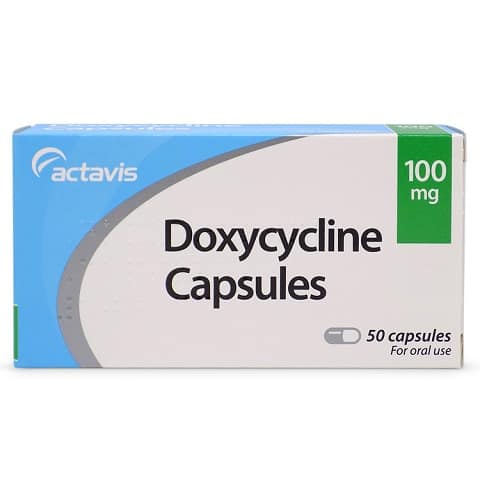
| Medication Name | Doxycycline |
|---|---|
| Main Ingredient | Doxycycline hyclate or monohydrate |
| Primary Use | Bacterial infection treatment (broad-spectrum antibiotic) |
| Strength Options | 50 mg, 75 mg, 100 mg, 150 mg tablets or capsules |
| Initiation of Effect | Typically within 24–48 hours of first dose |
| How Long It Works | Single dose effective for 12–24 hours (dosed 1–2 times daily) |
| Food/Drink Considerations | Best taken with water, avoid dairy close to dosing |
| Prescription Status in United States | Prescription required (FDA-regulated) |
| Common Generic Suppliers | Teva, Amneal, Mylan, Hikma, Sun Pharma |
Doxycycline: Decision Pathway for United States
Doxycycline is a prescription antibiotic approved in the United States for treating a wide variety of bacterial infections. It is legally available through pharmacies nationwide and regulated by the Food and Drug Administration (FDA). This guide will help you determine whether Doxycycline is suitable for your situation, how it works, and how to obtain and use it safely and effectively.
Why your infection is neither rare nor hopeless
Bacterial infections remain a common cause for medical visits across the United States. According to the Centers for Disease Control and Prevention (CDC), 2021, more than 270 million antibiotic prescriptions were dispensed in outpatient settings annually, with respiratory, urinary tract, and skin infections among the top reasons for antibiotic use. The CDC notes that bacterial infections affect people of every age, from children with ear infections to adults with tick-borne illnesses such as Lyme disease. If you’ve been diagnosed or suspect you have a bacterial infection, you are far from alone, and effective treatments such as Doxycycline are well established. Most cases respond fully to antibiotics when used correctly, underscoring that your situation is both common and treatable.
How Doxycycline targets the source of your infection
Doxycycline works by interfering with the ability of bacteria to produce proteins essential for their growth and survival. The active compound, Doxycycline, binds to the bacterial ribosome—think of this as the “protein factory” inside the germ—and prevents it from assembling the proteins the bacteria need to multiply. Without these proteins, the bacteria can’t grow or spread, and your immune system can clear the infection more effectively. In practical terms, this means symptoms such as fever, pain, or discharge often begin to improve within 1–2 days of starting treatment, though the full course must be completed to fully eradicate the infection.
- Dual action: Doxycycline doesn’t just stop bacteria from multiplying (bacteriostatic); in some cases, it can also directly kill susceptible bacteria (bactericidal), particularly at higher concentrations.
- Broad reach: Doxycycline is effective against a wide range of bacteria, including those causing respiratory tract infections, urinary tract infections, certain sexually transmitted diseases, and tick-borne illnesses like Lyme disease and Rocky Mountain spotted fever.
- Anti-inflammatory benefits: In addition to fighting bacteria, Doxycycline can reduce inflammation, which is why it’s sometimes prescribed for acne and rosacea.
This mechanism means the medication addresses the root cause—the bacterial invader—rather than just masking symptoms. You can expect to feel gradual improvement, but it’s important to finish the entire prescribed regimen, as stopping early increases the risk of relapse or antibiotic resistance.
Choosing Doxycycline: Is it the right fit for your situation?
| Your Situation | Is Doxycycline Suitable? | Why / Why Not |
|---|---|---|
| Diagnosed with a tick-borne illness (e.g., Lyme disease, Rocky Mountain spotted fever) | Yes, often first-line | Doxycycline is highly effective and recommended by CDC for these infections due to its ability to reach the bacteria involved. |
| Treating moderate to severe acne that hasn’t responded to topical treatments | Yes, commonly prescribed | Its antibacterial and anti-inflammatory effects help control acne-causing bacteria and reduce skin inflammation. |
| Pregnant or breastfeeding | No, usually not recommended | Doxycycline can affect fetal bone and tooth development or pass into breast milk; safer options are available and should be discussed with a healthcare provider. |
| Have known allergy to tetracycline antibiotics | No | Risk of serious allergic reactions; other antibiotics should be considered. |
| Recent diagnosis of a viral infection (such as COVID-19 or the flu) | No | Antibiotics like Doxycycline do not treat viral infections and may cause unnecessary side effects or resistance. |
| Urinary tract infection (UTI) in an area with high resistance to other antibiotics | Potentially | Doxycycline may be used if the bacteria causing the UTI are known to be susceptible; urine culture and susceptibility testing recommended. |
If you recognize your scenario above, this should help clarify whether Doxycycline is an appropriate candidate. When in doubt, a medical provider can match your infection and medical history to the best antibiotic choice. Doxycycline is not a universal solution—its appropriateness depends on the type of infection and personal health factors.
Using Doxycycline in real life: What to expect and how to handle the unexpected
When starting Doxycycline, practical factors can affect both safety and success. Here’s what you need to know for typical use and non-standard situations:
- Dosing: Doxycycline is usually taken once or twice daily, with a full glass of water. Stand or sit upright for at least 30 minutes afterward to prevent irritation of the esophagus.
- Food and drink: It may be taken with food to reduce stomach upset, but avoid dairy products, antacids, or supplements containing calcium, magnesium, or iron within 2 hours of your dose—these can interfere with absorption.
- Sun sensitivity: Doxycycline can make your skin more sensitive to sunlight. Use sunscreen and protective clothing to reduce the risk of sunburn during treatment.
- If you miss a dose: Take it as soon as you remember unless it’s nearly time for your next dose. In that case, skip the missed dose—do not double up.
- If you vomit soon after taking: If vomiting occurs within 1 hour, the dose may not have been absorbed. Unless otherwise directed by your doctor, take the dose again. If vomiting persists, contact your healthcare provider.
- If no improvement: If symptoms do not begin to improve within 48–72 hours, inform your healthcare provider. This may suggest resistance, incorrect diagnosis, or need for a different antibiotic.
- Course completion: Always finish the prescribed course, even if you feel better. Stopping early increases the risk of relapse and antibiotic resistance.
These practical points can help you navigate common hurdles and avoid complications during treatment. Your pharmacist can offer additional advice based on your medication history.
Who should not use Doxycycline: Contraindications explained
Certain individuals should avoid Doxycycline due to specific risks. Understanding the logic behind these recommendations can clarify if you fall into an at-risk group:
- Children under 8 years: Avoided because Doxycycline can bind to calcium in growing bones and teeth, leading to permanent discoloration and enamel defects.
- Pregnancy: Not recommended, especially during the second and third trimesters, due to the risk of fetal bone and dental development issues.
- Nursing mothers: Doxycycline can be present in breast milk, potentially affecting infant bone growth and teeth.
- Allergy to tetracyclines: Use is contraindicated; allergic reactions can range from rash to severe life-threatening reactions.
- Severe liver failure: Doxycycline is processed in the liver and may accumulate, increasing the risk of toxicity.
If any of these apply, alternative antibiotics should be discussed with your healthcare provider. Prescribers in the United States are required to review these factors before issuing a prescription for Doxycycline.
Potential side effects: What is common, what is rare, and when to seek help
- Frequently experienced (usually mild and self-resolving):
- Gastrointestinal upset (nausea, diarrhea, abdominal pain)
- Increased sunburn risk (photosensitivity)
- Temporary headache or dizziness
- Occasional but important to note:
- Yeast infections (in women, due to disturbance of normal flora)
- Mild skin rash
- Rare but require medical attention:
- Severe allergic reactions (swelling of face/tongue, difficulty breathing, hives)
- Persistent vomiting or diarrhea
- Severe headache or vision changes (may indicate increased intracranial pressure)
If you experience symptoms suggestive of a severe allergic reaction—such as trouble breathing or swelling—seek emergency care immediately. In the United States, call 911 for acute reactions. For persistent but non-life-threatening symptoms, contact your prescribing doctor or a local pharmacist for guidance.
Drug and food interactions: What to avoid and why
Certain medications and foods can reduce the effectiveness or increase the risk of side effects with Doxycycline:
- Calcium, magnesium, and iron supplements: Bind Doxycycline in the gut, preventing absorption. Take supplements at least 2 hours apart from your Doxycycline dose.
- Antacids containing aluminum or magnesium: Similar risk—may decrease Doxycycline’s effect.
- Blood thinners (e.g., warfarin): Doxycycline can increase the anticoagulant effect, raising bleeding risk. Monitoring of blood clotting is recommended if both are used.
- Some seizure medications (phenytoin, carbamazepine, barbiturates): Can lower Doxycycline levels, possibly making it less effective.
- Oral contraceptives: Some evidence suggests antibiotics may reduce their effectiveness, though the risk is low; consider an additional method of birth control during antibiotics.
If you take any of these agents, your healthcare provider may adjust your regimen or monitor you more closely. Always inform your doctor or pharmacist of all medications and supplements you use before starting Doxycycline.
How does Doxycycline compare with other antibiotics? Alternatives and honest limitations
| Antibiotic | Best For | Limitations |
|---|---|---|
| Doxycycline | Tick-borne diseases, respiratory infections, acne, some STIs, travelers’ diarrhea | Not for pregnancy/young children; sun sensitivity; some bacteria resistant |
| Amoxicillin / Penicillins | Strep throat, some respiratory and ear infections | Not effective against atypical organisms or many tick-borne illnesses; allergy common |
| Azithromycin / Macrolides | Atypical pneumonia, chlamydia, some skin infections | Less effective for tick-borne diseases; increasing resistance rates |
| Cephalexin / Cephalosporins | Urinary tract, skin, and soft tissue infections | Not suited for atypical bacteria or many tick-borne infections |
| Fluoroquinolones (e.g., ciprofloxacin) | Complicated urinary tract, GI, and certain respiratory infections | Serious side effects (tendon rupture, nerve damage); reserved for specific cases |
Doxycycline is often preferred for its broad coverage, ease of use, and effectiveness against organisms not always treated by other antibiotics. However, it is not universally superior—other antibiotics may be more appropriate for certain infections, patient groups (such as children or pregnant women), or when bacterial resistance patterns dictate. Honest selection depends on your diagnosis, local resistance data, and personal medical factors.
Access, pricing, and what to expect when obtaining Doxycycline in the United States
Doxycycline is FDA-approved and requires a prescription for legal purchase in the United States. You can obtain it from retail pharmacies, online pharmacies that require a valid prescription, and some telemedicine services. Despite the legal requirement, some online sources may offer Doxycycline without a prescription; this practice is not sanctioned by U.S. regulators and carries risks regarding medication authenticity and safety oversight.
| Expense Category | Cost (USD) | Context/Notes |
|---|---|---|
| Doctor or Telehealth Consultation | $50–$150 | One-time; required for prescription issuance |
| Doxycycline (generic, 100 mg, 20 tablets) | $15–$50 | Price varies by pharmacy, insurance, and supply chain |
| Prescription Service Fee | $0–$25 | May apply to some telemedicine or online providers |
| Delivery (online/express shipping) | $5–$25 | Standard shipping rates; varies by provider |
| Total (typical range) | $70–$250 | Lowest for insured in-person pickup; highest for telemedicine and overnight shipping |
Most pharmacies dispense generic Doxycycline supplied by reputable manufacturers such as Teva, Amneal, or Mylan. Insurance may cover most or all of the medication cost if prescribed for a covered indication. Out-of-pocket costs are typically lowest at local pharmacies, but online and telemedicine services offer convenience for an additional fee. Always ensure any online source is licensed and requires a prescription to minimize risk of counterfeit or substandard medication.
Addressing final uncertainties: shelf life, storage, and regulatory confidence
- Shelf life: Doxycycline tablets and capsules typically have a shelf life of 2–3 years when stored in a cool, dry place away from direct light. Outdated Doxycycline should not be used, as it can degrade and may cause kidney toxicity.
- Storage: Keep Doxycycline at room temperature (68–77°F), away from moisture and heat. Do not store in the bathroom.
- U.S. regulatory assurance: The FDA reviews all Doxycycline products for quality, safety, and efficacy before approval. Pharmacies are subject to inspection and must comply with federal standards for storage and dispensing.
- Medical oversight: While this guide helps navigate practical decisions, clinical evaluation is essential for diagnosis and follow-up. If questions remain about your infection or treatment, direct discussion with a healthcare provider ensures your safety and optimal outcome.