
- Home/
- Buy Glucophage at Low Price in the United States Online
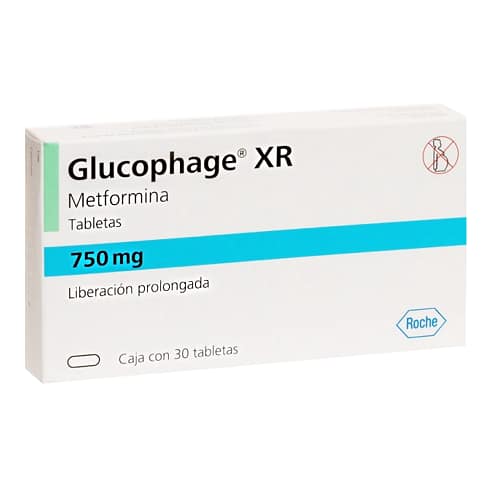
Medical Disclaimer: This article is for informational purposes only. Medication use, including Glucophage (metformin), is only possible after consultation with a qualified healthcare provider. Self-medication can be dangerous and may result in serious harm. Always seek advice from a licensed medical professional before starting or modifying any treatment.
Glucophage (Metformin) for Type 2 Diabetes in the United States: The Definitive Guide for 2026
Can Glucophage Be Obtained Without a Prescription in the United States?
No. Glucophage (metformin) is a prescription-only medicine in the United States. It is illegal and unsafe to obtain it without a valid prescription from a licensed healthcare provider. Buying Glucophage from sources that do not require a prescription puts you at risk of counterfeit or unsafe medication and may expose you to legal consequences. The U.S. Food and Drug Administration (FDA) regulates all forms of metformin, including Glucophage and its generics.
Key Takeaways: Quick Facts About Glucophage
- Active Ingredient: Metformin hydrochloride
- Primary Use: First-line oral therapy for type 2 diabetes mellitus
- Prescription Status: Prescription required in all 50 states (per FDA)
- Typical Starting Dose: 500 mg once or twice daily with meals
- Peak Effect: 2–3 hours after ingestion (immediate release)
- Key Contraindication: Severe kidney impairment (eGFR < 30 mL/min/1.73m2)
- Main Side Effects: Gastrointestinal upset, rare risk of lactic acidosis
- Insurance Coverage: Widely covered by Medicaid, Medicare Part D, and private insurers
- 2026 Price Estimate: $10–$25 per month (generic); $40–$75 per month (brand)
- Original Manufacturer: Bristol-Myers Squibb; many FDA-approved generics available
How Does Glucophage Work? (Mechanism of Action Explained)
Glucophage contains metformin hydrochloride, which acts primarily by decreasing hepatic glucose production (gluconeogenesis), increasing insulin sensitivity, and enhancing peripheral glucose uptake. The main molecular target is the AMP-activated protein kinase (AMPK), a key regulator of cellular energy balance. By activating AMPK in the liver, metformin inhibits the production of new glucose, resulting in lower fasting blood glucose levels. Concurrently, it improves insulin sensitivity at muscle cells, leading to improved glucose uptake—without causing increased insulin secretion.
Metformin is distinct from sulfonylureas or insulin secretagogues, as it does not stimulate the pancreas to produce more insulin. It also does not cause hypoglycemia when used alone. In simple terms, Glucophage helps your body “use its own insulin better” and prevents the liver from releasing too much sugar into the bloodstream.
Think of your liver as a “sugar factory” that sometimes works too much in type 2 diabetes. Glucophage tells the factory to slow down and helps your muscle workers use the sugar already present more efficiently.
Recent studies (2023–2025) in the U.S. confirm that metformin’s effect on weight neutrality and low risk of hypoglycemia make it a cornerstone of diabetes care (FDA, Mayo Clinic, PubMed).
Expert Commentary from doctor
In my practice, I find patients often expect Glucophage to magically control their diabetes without any lifestyle changes. However, while metformin is highly effective, it’s only part of the solution. One frequent issue is gastrointestinal side effects due to rapid dose escalation or taking it on an empty stomach. Starting with a low dose and gradually increasing, always taking it with meals, can make a big difference in tolerability. I also routinely encounter patients who forget to report new kidney problems or start a new medication that interacts with Glucophage. It’s critical to inform your doctor about any changes in health status or medications. Lastly, many people don’t realize that if you’re scheduled for imaging with contrast dye, you may need to temporarily stop metformin—please let your care team know in advance.
How Should Glucophage Be Taken? Dosage, Timing, and Adjustments
Standard initiation: Most adults start with 500 mg once daily, taken with the evening meal to minimize stomach upset. If tolerated, the dose can be increased by 500 mg at weekly intervals, typically to 500 mg twice daily (with morning and evening meals).
Maximum dose: The absolute maximum is 2,000–2,500 mg per day (depending on the specific formulation and manufacturer), divided into 2–3 doses. Exceeding this dose increases the risk of severe side effects, especially lactic acidosis.
Extended-release (XR) tablets: Allow once-daily dosing and may be better tolerated. These must be swallowed whole and must not be split or crushed. Immediate-release tablets may sometimes be split, depending on the manufacturer’s instructions—always check the specific packaging or ask your pharmacist.
Special populations:
- Elderly (>80 years): Use with great caution; kidney function should be regularly monitored.
- Renal impairment: Do not use if estimated glomerular filtration rate (eGFR) is <30 mL/min/1.73m2. Dose reduction at eGFR 30–45 mL/min/1.73m2; frequent monitoring required.
- Hepatic impairment: Generally not recommended due to increased risk of lactic acidosis.
What Should I Know About Glucophage and Food, Alcohol, and Daily Life?
Food: Always take Glucophage with meals to lower the risk of gastrointestinal side effects. High-fat meals do not substantially delay absorption, but taking the medication on an empty stomach increases the risk of nausea and diarrhea.
- Alcohol:
- Strict moderation is required. Heavy alcohol consumption (more than 2 standard drinks per day for men, 1 for women) is contraindicated due to increased risk of lactic acidosis. Acute binge drinking is especially hazardous. Light or occasional consumption should be discussed with your doctor.
- Grapefruit juice:
- No significant documented interaction with metformin; safe in moderate amounts.
- Daily activity:
- Glucophage does not impair the ability to drive or operate machinery. If combined with other medications that lower blood sugar, hypoglycemia is possible—always monitor for symptoms if using combination therapy.
Who Should Not Take Glucophage? Contraindications and Cautions
| Type | Contraindication | Explanation |
|---|---|---|
| Absolute | eGFR < 30 mL/min/1.73m2 (severe kidney impairment) | High risk of metformin accumulation and lactic acidosis |
| Absolute | Severe hepatic impairment | Increased lactic acidosis risk due to impaired metabolism |
| Absolute | Acute or chronic metabolic acidosis | Glucophage may worsen acid-base balance |
| Relative | eGFR 30-45 mL/min/1.73m2 | Use lower dose and monitor renal function closely |
| Relative | Age >80 years | Higher risk of kidney impairment; frequent monitoring needed |
| Relative | History of alcohol abuse | Increased risk of lactic acidosis |
| Time-limited | Before/after iodinated contrast imaging | Risk of acute kidney injury; may require temporary cessation |
| Relative | Severe infection, dehydration, or surgery | May precipitate acute kidney injury; pause Glucophage if needed |
Always inform your doctor if you develop kidney disease, congestion, infection, or plan to undergo imaging with contrast dye.
What Are the Most Common and Serious Side Effects of Glucophage?
- Very common (>1 in 10):
-
- Gastrointestinal: diarrhea, nausea, vomiting, abdominal pain, decreased appetite
- Common (1 in 100 to 1 in 10):
-
- Metallic taste in mouth
- Headache
- Rare (1 in 10,000):
-
- Vitamin B12 deficiency with long-term use
- Mild skin reactions (rash, redness)
- Very rare (<1 in 10,000):
-
- Lactic acidosis (life-threatening buildup of acid in the blood; estimated risk <1 case per 100,000 patient-years)
- Liver dysfunction
- Hypoglycemia (usually only when combined with other glucose-lowering medicines)
If you experience unexplained muscle pain, severe weakness, trouble breathing, or abdominal discomfort, stop taking Glucophage and seek immediate medical attention—these may be symptoms of lactic acidosis.
Common Patient Mistakes Observed by doctor
- Taking Glucophage on an empty stomach. This often leads to nausea or diarrhea. Solution: Always take with food.
- Stopping Glucophage abruptly after reading about lactic acidosis online. This can cause uncontrolled blood sugar. Solution: Discuss any concerns with your doctor before stopping.
- Not reporting new kidney issues or changes in other medicines. This increases risk of adverse effects. Solution: Inform your healthcare provider about any new diagnosis or prescription.
- Doubling up after missing a dose. This is unnecessary and may increase side effects. Solution: Just take your next scheduled dose.
- Assuming all generics work the same for them. Non-active ingredients may cause intolerance in rare cases. Solution: If you notice new or unusual side effects after switching brands, notify your pharmacist or physician.
- Not pausing Glucophage before contrast imaging. Can cause serious kidney injury. Solution: Remind your radiologist and physician if you’re scheduled for a CT scan or angiogram with contrast.
Glucophage vs. Alternatives: Efficacy, Price, and Practical Differences
| Drug Name | Active Ingredient | Dosing (Typical) | Onset Speed | Major Side Effects | Cost/Month (2026 USD)* |
|---|---|---|---|---|---|
| Glucophage (Brand) | Metformin | 500–2000 mg/day | 3–5 days | GI upset, rare lactic acidosis | $40–$75 |
| Metformin (Generic) | Metformin | 500–2000 mg/day | 3–5 days | GI upset, rare lactic acidosis | $10–$25 |
| Jardiance | Empagliflozin | 10–25 mg/day | Within days | Genital infections, dehydration | $550–$650 |
| Ozempic | Semaglutide | 0.25–2 mg/week (injection) | Within weeks | Nausea, risk of pancreatitis | $900–$1100 |
| Glipizide | Glipizide | 5–40 mg/day | Within hours | Hypoglycemia, weight gain | $15–$30 |
*Price ranges based on U.S. retail pharmacy estimates for uninsured patients as of early 2026. Insurance, copay, and manufacturer coupons may lower out-of-pocket costs. Always check your plan.
Bottom line: Metformin (Glucophage or generic) remains the most cost-effective and safest first-line oral therapy for most people with type 2 diabetes in the United States.
Questions Frequently Asked to doctor
- Is it safe to take Glucophage for many years?
- For most people, yes. Long-term studies support safety, provided kidney function remains adequate and B12 levels are monitored annually. Always schedule regular check-ins with your provider.
- Can Glucophage interact with other medications I’m taking?
- It can. Some blood pressure medications, diuretics, and certain antibiotics may increase the risk of kidney injury or lactic acidosis. Always provide your doctor and pharmacist with an up-to-date medication list.
- What should I do if I miss a dose?
- Take the missed dose as soon as you remember unless it’s almost time for your next dose. Never double up. Missing a single dose is not dangerous, but don’t make it a habit.
- Do I have to stop Glucophage before surgery or medical imaging?
- Yes, in many cases. Procedures involving iodinated contrast or surgery with general anesthesia may require temporarily stopping Glucophage. Inform your healthcare team in advance.
- Is alcohol strictly forbidden with Glucophage?
- Heavy alcohol use is contraindicated due to lactic acidosis risk. Occasional light drinking may be acceptable but should be cleared with your doctor.
- Does Glucophage cause low blood sugar?
- Not by itself. The risk of hypoglycemia is only significant if you’re also taking insulin or a sulfonylurea. If you experience symptoms of low blood sugar, contact your physician.
- Should older adults take a different dose?
- Yes. Those over 80 or with declining kidney function require lower starting doses and more frequent monitoring. Never adjust your dose without medical guidance.
Glucophage at a Glance: Key Characteristics Table
| Active Ingredient | Metformin hydrochloride |
| Formulations Available | Immediate-release (IR), Extended-release (XR) |
| Usual Starting Dose | 500 mg once daily with food |
| Max Daily Dose | 2,000–2,500 mg (per label) |
| Prescription Required? | Yes (FDA) |
| Onset/Peak Time | 2–3 hours (IR); 6–8 hours (XR) |
| Duration of Effect | 12–24 hours |
| Insurance Coverage | Medicaid, Medicare Part D, most private insurers |
| Typical U.S. Price (2026) | $10–$25/month (generic); $40–$75/month (brand) |
| Common Side Effects | GI upset, nausea, diarrhea |
| Serious Risks | Lactic acidosis (rare) |
How to Obtain Glucophage Legally in the United States: Step-by-Step
- Schedule a consultation with a licensed healthcare provider (primary care, endocrinologist, or via a state-authorized telemedicine platform such as Teladoc, Amwell, or your local health system).
- Provide a complete medical history, including all medications, allergies, and existing health conditions.
- Receive a prescription if Glucophage is appropriate for you. Your provider may order blood work to check kidney function before prescribing.
- Fill your prescription at a licensed U.S. pharmacy (in-person or mail-order). Many online pharmacies are legitimate but always verify they are VIPPS-accredited (NABP .pharmacy).
- Follow up regularly with your provider to monitor your diabetes and kidney function.
Note: U.S. pharmacies, including online services, must require proof of prescription for Glucophage. Avoid sites that promise “no prescription needed”—these are almost always illegal and unsafe.
Is It Safe and Legal to Buy Glucophage Online in the United States?
Only purchase Glucophage from licensed U.S. pharmacies or telemedicine services requiring a valid prescription. The FDA and NABP monitor for counterfeit and substandard medicines. Never use offshore or “grey market” websites, even if they advertise lower prices—they often sell fake, expired, or contaminated products. U.S. law prohibits importation of prescription drugs for personal use from foreign pharmacies, except in rare FDA-approved cases.
What to look for:
- Require a prescription
- Display VIPPS or .pharmacy accreditation
- Physical address and phone number in the U.S.
- Licensed pharmacist available for consultation
Why is a prescription required? This protects you from dangerous interactions, ensures correct dosing, and reduces your risk of serious complications.
How to Identify Genuine Glucophage vs. Counterfeit or Grey-Market Versions
- Manufacturer’s name (e.g., Bristol-Myers Squibb or a listed FDA-approved generic manufacturer)
- Lot number and expiration date clearly printed
- FDA-compliant labeling (English only, with U.S. NDC number)
- Blister packs or bottles sealed with tamper-evident bands
- Pill appearance: usually white, round or oval, scored or engraved with a code (varies by manufacturer)
- Some manufacturers include a QR code or hologram for verification as of 2026
Warning signs of counterfeits: Unusually low prices, non-English packaging, missing lot or NDC number, blurry printing, loose tablets in bags or unsealed bottles, or offers from websites not requiring prescriptions.
About generics: FDA-approved generics must meet the same quality and efficacy standards as the original brand. The only differences are inactive ingredients (excipients) and appearance. Rarely, patients may be sensitive to a specific dye or binder in generics—always inform your pharmacist if you have known allergies.
Glucophage Compatibility With Other Drugs and Products
| Product/Drug | Can Be Combined? | Notes/Consequences |
|---|---|---|
| Aspirin (low dose) | Yes | No significant interaction |
| Insulin | Yes (with monitoring) | Monitor for hypoglycemia |
| SGLT2 inhibitors (e.g., Jardiance) | Yes | Often used together, but monitor for dehydration |
| Iodinated contrast dye | NO during exposure | Stop metformin before/after imaging as advised |
| Alcohol (heavy use) | NO | High risk of lactic acidosis |
| Oral steroids | Yes (with caution) | May raise blood sugar; monitor closely |
| Antibiotics (e.g., sulfa drugs) | Yes (with caution) | Certain antibiotics can increase lactic acidosis risk in renal impairment |
How Is Glucophage Absorbed, Metabolized, and Eliminated?
- Absorption: Metformin is absorbed mainly in the small intestine. The bioavailability of immediate-release tablets is about 50–60%.
- Metabolism: Uniquely, metformin is not metabolized by the liver; it is excreted unchanged in the urine.
- Elimination: Removal by the kidneys through active tubular secretion.
- Half-life (T1/2): About 4–8 hours for immediate-release; up to 17 hours for extended-release formulations.
Why does this matter? People with kidney problems can accumulate metformin, increasing the risk of serious side effects such as lactic acidosis. This is why regular monitoring of kidney function is essential during long-term use.
Special Considerations for Older Adults and High-Risk Patients
- Older adults (>80 years): Higher risk of kidney impairment; lower starting doses and more frequent kidney monitoring are strongly recommended.
- Pregnancy: Metformin is sometimes used in pregnancy but only under specialist supervision. Consult your OB/GYN or endocrinologist.
- Liver disease: Usually contraindicated due to increased lactic acidosis risk.
- Heart failure: May be used in stable, well-controlled chronic heart failure, but not in acute or unstable cases.
- Driving and machinery: Metformin alone does not impair function. If combined with other diabetes medications, hypoglycemia is possible—be alert to symptoms.
- Fertility: No evidence that Glucophage impairs fertility. In women with polycystic ovary syndrome (PCOS), it may even improve ovulation.
Glucophage vs. Generics: Saving Money, Ensuring Safety
Brand-name Glucophage and FDA-approved generics contain the same active ingredient (metformin) and are considered therapeutically equivalent. Generic versions are far less expensive and widely available in the United States. Both forms must meet strict FDA quality and bioequivalence standards.
- Inactive ingredients (excipients): These may vary between products and rarely cause allergic reactions or intolerance. If you have a known allergy to a dye or binder, alert your pharmacist.
- Cost: Generics can be as low as $10–$25 per month, while brand Glucophage often costs $40–$75 per month or more.
Tip: If you experience new symptoms after switching brands, report them to your doctor or pharmacist. Most patients tolerate all forms equally well.
What to Do in Case of Glucophage Overdose: Immediate Steps
- Stop taking Glucophage immediately.
- Call 911 or your local emergency number.
- Inform emergency personnel which medication you have taken, how much, and when.
- Do not try to “wait it out.” Overdose may cause lactic acidosis, which can be fatal if untreated.
- Bring the bottle or packaging to the emergency room if possible.
Remember: Early medical intervention saves lives.
What If Glucophage Doesn’t Work?
It’s disappointing when your blood sugar remains high despite taking Glucophage. In practice, this usually means one of the following:
- Incorrect or inconsistent dosing (missed doses or taking on an empty stomach)
- Insufficient dose—your provider may consider titration
- Diet and lifestyle factors overwhelming medication effect
- Progression of diabetes requiring combination therapy
- Secondary causes (other endocrine issues, new medications)
What to do: Do not increase your dose on your own. Schedule a follow-up with your provider to review your regimen, review your logbook, and discuss next steps. Sometimes adding a second medication or making diet adjustments is needed.
Managing Diabetes: Empathy and Next Steps
Living with type 2 diabetes is challenging, but you are not alone. Millions in the United States manage this condition every day with the right combination of medication, lifestyle, and support. Remember, it’s normal to feel frustrated or worried—don’t hesitate to talk with your healthcare provider, a diabetes educator, or a support group about your experiences. Diabetes is a manageable condition; your effort matters, and improvement is possible at any stage.
Professional Opinion of doctor
As a physician specializing in diabetes care, I consider Glucophage (metformin) the foundation of type 2 diabetes management for most adults in the United States. Its long-term safety, low cost, and proven effectiveness in reducing blood sugar—and even heart risk—are unmatched among oral agents. Patients who benefit most are those with newly diagnosed or established type 2 diabetes, without severe kidney or liver impairment, and who are willing to combine medication with lifestyle changes. However, I strongly caution against its use in anyone with advanced kidney disease, heavy alcohol use, or unstable medical status. Some patients may need alternative or additional therapies, especially if Glucophage alone no longer controls their diabetes. The key is individualized care—never hesitate to discuss your goals and concerns with your provider, and always prioritize safety over shortcuts.
FAQ: Short Answers to Common Questions
- Can Glucophage be used daily?
- Yes, it is designed for daily use, usually once or twice a day with meals.
- Is a prescription required for Glucophage in the United States?
- Yes, a prescription from a licensed healthcare provider is always required.
- What should I do if I miss a dose?
- Take the missed dose as soon as you remember unless it is nearly time for your next dose. Never double up.
- Does Glucophage cause weight gain?
- No, Glucophage is considered weight-neutral and may even help with modest weight loss in some patients.
- Can I drink alcohol while taking Glucophage?
- Heavy drinking is not safe; light or occasional use should be discussed with your doctor.
- Are generics as effective as the brand Glucophage?
- Yes, FDA-approved generics are equally effective and safe.
- How much does Glucophage cost in the United States?
- Generic metformin typically costs $10–$25 per month; the brand is $40–$75 or more.
- How quickly does Glucophage lower blood sugar?
- Full effect is usually seen within days to weeks after starting or adjusting the dose.
- Can Glucophage be used in type 1 diabetes?
- No, it is not approved for use as sole therapy in type 1 diabetes.
References
- U.S. Food and Drug Administration. Metformin Hydrochloride Information. Accessed 2026. https://www.fda.gov/
- Mayo Clinic. Metformin (Oral Route) Description and Brand Names. Accessed 2026. https://www.mayoclinic.org/
- American Diabetes Association. Standards of Medical Care in Diabetes—2026. Accessed 2026. https://diabetes.org/
- PubMed, U.S. National Library of Medicine. Metformin: Recent Updates. Accessed 2026. https://pubmed.ncbi.nlm.nih.gov/
- National Association of Boards of Pharmacy. Online Pharmacy Accreditation. Accessed 2026. https://nabp.pharmacy/
- ClinicalTrials.gov. Metformin and Diabetes Trials. Accessed 2026. https://clinicaltrials.gov/
- Bristol-Myers Squibb. Glucophage Product Information. Accessed 2026. https://www.bms.com/