
- Home/
- Buy Lasix Online in the United States – Fast and Secure Ordering
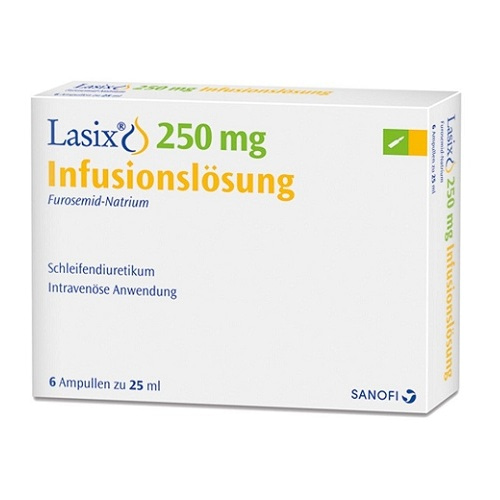
| Brand Name | Lasix |
|---|---|
| Main Compound | Furosemide |
| Primary Use | Reduction of fluid retention (Edema) due to heart, liver, or kidney issues |
| Strength Options | 20 mg, 40 mg, 80 mg tablets; injectable forms available |
| How Quickly It Works | Oral: 30–60 minutes; IV: within 5 minutes |
| How Long It Lasts | 6–8 hours (oral form) |
| How to Take | Typically once daily in the morning; exact regimen depends on prescription |
| Prescription in US? | Yes — required by FDA regulation |
| Estimated Price (US) | $10–$30 per 30-tablet bottle (generic); branded version may be higher |
Lasix for Edema: Availability, Use, and Guidance in the United States
Lasix, containing the active ingredient Furosemide, is a diuretic medication widely used to manage edema—excess fluid buildup in the body—associated with heart failure, liver cirrhosis, or kidney disease. It is an FDA-approved prescription treatment legally available in the United States for people who need to control swelling and related symptoms.
Edema: Prevalence and Why It Matters
Swelling from fluid retention affects millions of adults in the United States, especially those with chronic heart, liver, or kidney problems. According to the Centers for Disease Control and Prevention (CDC), in 2021, over 6 million Americans were living with heart failure—a leading cause of edema requiring medical treatment. Edema is not just discomfort or cosmetic; it signals underlying health issues and, if uncontrolled, can lead to serious complications. Recognizing that you are not alone and that effective therapies are available is the first step toward regaining control of your health.
How Lasix Addresses Fluid Buildup
Lasix works by targeting the kidneys. Its active molecule, Furosemide, blocks a specific transporter in the kidney’s loop of Henle—a segment responsible for reclaiming salt and water from urine. By inhibiting this reabsorption, Lasix causes more salt and water to be excreted in urine. For the patient, this means reduced swelling, lighter weight (due to fluid loss), and often improved breathing if fluid had accumulated around the lungs. Effects are usually noticeable within an hour of the first dose, with the strongest effect in the first 6–8 hours after taking a tablet.
- Medical term: Diuretic — a drug that increases urine production.
- Practical result: Less swelling in ankles, legs, or abdomen, and often easier movement or breathing.
- Cause-effect: More urine output = less fluid trapped in tissues.
Is Lasix Right for You? Real-Life Scenarios
| Situation | Recommendation | Reason |
|---|---|---|
| Persistent swelling in the legs and ankles due to diagnosed heart failure | Lasix is usually a preferred choice | Effective for removing excess fluid in heart-related edema; rapid symptom relief is often possible |
| Swelling related to chronic kidney disease with reduced urine output | Lasix may be used, but response varies | Patients with advanced kidney problems may need higher doses or alternative therapies; doctor’s monitoring is critical |
| Minor swelling after a short period of standing, no chronic illness | Lasix is not recommended | Temporary, mild edema rarely requires prescription diuretics; lifestyle adjustments are usually sufficient |
| Edema during pregnancy | Lasix is generally avoided | Not considered safe in pregnancy except in rare, severe cases under specialist supervision |
| Swelling with low blood pressure or severe dehydration | Lasix is contraindicated | It can worsen dehydration or dangerously lower blood pressure |
In all cases, a doctor’s evaluation ensures that Lasix is both effective and safe for your specific health condition. If your situation does not match any scenario above, personalized medical advice is essential.
How to Use Lasix Safely and Effectively
Lasix should be taken exactly as prescribed. Most patients take their dose once a day in the morning to avoid nighttime trips to the bathroom. Take with or without food, but be consistent. Swallow the tablet whole with a glass of water. Do not double up if you miss a dose; just take your next scheduled dose. If you accidentally miss a dose and notice swelling returning, consult your doctor before making any adjustments.
- If it doesn’t work: If swelling does not improve after several days, or if it suddenly worsens, contact your healthcare provider instead of increasing the dose on your own.
- Missed a dose: Skip it and continue as normal; do not take two doses at once.
- Normal reactions: Increased urination, especially in the first hours after taking the dose. Mild dizziness can occur due to fluid loss.
- When to seek help: Severe weakness, confusion, irregular heartbeat, muscle cramps, or new swelling need medical attention.
Doctor’s note: “Furosemide can cause rapid fluid shifts. Always weigh yourself daily at the same time and let your provider know if you gain or lose more than 2–3 pounds in 24 hours. Electrolyte levels should be monitored regularly to prevent complications.”
Who Should Not Take Lasix?
Lasix is not suitable for everyone. Several conditions make its use unsafe:
- Severe allergy to Furosemide or sulfa drugs: Risk of life-threatening allergic reaction.
- Very low blood pressure: Lasix can lower blood pressure further, causing fainting or shock.
- Severe dehydration: The medication removes even more fluid, increasing the risk of kidney damage.
- Electrolyte imbalances (low potassium or sodium): Lasix can worsen these imbalances, which may trigger dangerous heart rhythms.
- Pregnancy and breastfeeding: Only used if absolutely necessary, and under close supervision, as safety is not established.
If you have any of these conditions—or are unsure—speak with your physician before considering Lasix.
Possible Side Effects: What to Expect and When to Worry
Most people tolerate Lasix well, but side effects can occur. The most frequent include:
- Common: Increased urination, mild dizziness, headache, muscle cramps, thirst.
- Less common: Rash, stomach upset, blurred vision, temporary rise in blood sugar or uric acid.
- Serious (rare): Hearing changes, confusion, irregular heartbeat, severe dehydration, extreme weakness.
If you experience severe dizziness, fainting, persistent vomiting, or signs of allergic reaction (swelling of lips, tongue, difficulty breathing), call 911 or the American Association of Poison Control Centers at 1-800-222-1222 immediately. These symptoms may signal a serious reaction requiring urgent care.
Drug and Food Interactions: What to Avoid
Lasix can interact with several other medicines and even certain foods:
- Other blood pressure medications: May cause excessive drops in blood pressure.
- NSAIDs (like ibuprofen): Can reduce Lasix’s effectiveness and harm kidney function.
- Medications affecting potassium or sodium: Can raise the risk of dangerous imbalances.
- Digoxin: The risk of digoxin toxicity increases if potassium drops too low.
- High-salt foods: Reduce Lasix’s effect; a low-salt diet is often recommended.
Your doctor or pharmacist will review your full medication list to prevent dangerous combinations. Never add, stop, or adjust medications on your own while taking Lasix.
Lasix Versus Other Diuretics and Treatment Options
Lasix is one of several diuretic choices in the United States. Here’s how it compares:
- Lasix (Furosemide): Rapid, powerful effect; suitable for moderate to severe edema; works even when kidney function is impaired (though higher doses may be required).
- Hydrochlorothiazide: Milder, long-acting; best for mild fluid retention and high blood pressure rather than more severe swelling.
- Spironolactone: Potassium-sparing, slower onset; helpful in liver cirrhosis or heart failure, but less potent for rapid removal of fluid.
- Tolvaptan and other specialized agents: Used in rare, specific conditions under specialist care.
Lasix is often the diuretic of choice for severe or urgent cases, but other options may be better suited for sustained, mild, or potassium-sensitive patients. Some people need combinations to balance effect and safety. The choice depends on your diagnosis, how your body responds, and any concurrent medical conditions.
Buying Lasix in the United States: What to Expect
Lasix (Furosemide) can be purchased at licensed retail pharmacies and via selected, certified online pharmacies in the United States. All sales legally require a prescription issued by a licensed healthcare provider. While some questionable online sources may offer Lasix without a prescription, this is not compliant with FDA regulations and carries significant risks (counterfeit products, lack of professional oversight). Generic Furosemide is widely available, often at a fraction of the cost of the branded product. Delivery times and costs vary depending on your pharmacy’s location and chosen shipping method.
| Cost Component | Amount (USD) | Details |
|---|---|---|
| Doctor’s Visit (in-person or telemedicine) | $70–$200 | Varies by insurance, provider, and region |
| Prescription Fee (if applicable) | $0–$20 | Some clinics charge separately; some include with visit |
| Lasix (generic Furosemide) 30-tablet bottle | $10–$30 | Retail price; insurance copays may be lower |
| Shipping/Delivery (online purchase) | $0–$15 | Standard or express; varies by provider |
| Total Estimated Cost | $80–$265 | Range: minimal (insured, local pickup) to maximal (uninsured, express delivery) |
What you will pay depends on your insurance, whether you opt for generic or branded, and how you fill your prescription. Many pharmacies offer discount programs for generics. Be sure to verify the pharmacy’s legitimacy—look for certification by the FDA or the National Association of Boards of Pharmacy.
Key Points That May Remain Before Deciding
- Can I start Lasix without recent bloodwork? Not recommended. Electrolyte and kidney function tests are usually required before the first dose, especially if you have other health issues.
- How quickly will I feel better? Many people notice less swelling and easier breathing within hours to days, but long-term benefit depends on taking the medication as directed and regular follow-up.
- What if insurance doesn’t cover Lasix? Generic Furosemide is often very affordable out of pocket. Pharmacies may have discount plans—ask before purchasing.
- What documentation is needed for an online purchase? A valid prescription from a licensed US healthcare provider is mandatory at legitimate online pharmacies.