
- Home/
- Buy Nolvadex at Low Price Online in the United States
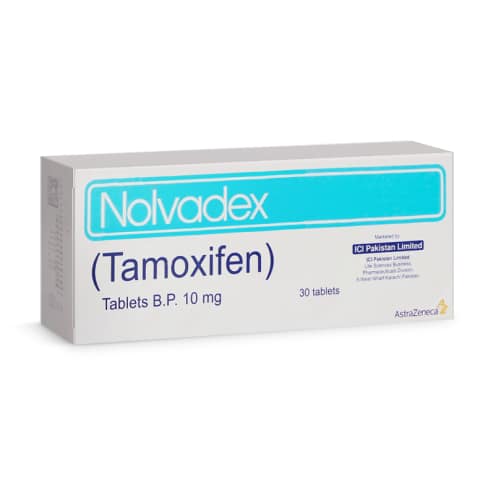
Nolvadex (Tamoxifen) in the United States: Comprehensive Patient and Clinical Guide 2026
Can Nolvadex be obtained without a prescription in the United States?
Nolvadex (tamoxifen) is a prescription-only medication in the United States. It is not legally available without a valid prescription from a licensed healthcare provider. Purchasing Nolvadex without a prescription, or from unverified sources, is unsafe and illegal.
Key Takeaways
- Nolvadex is most suitable for treating estrogen receptor-positive breast cancer and for reducing breast cancer risk in high-risk individuals.
- A prescription is always required to obtain Nolvadex in the United States.
- Therapeutic results are generally observed after several weeks; full benefits may require months of regular use.
- The most important safety concern is the risk of blood clots and endometrial changes—report new symptoms to your doctor promptly.
- Nolvadex is not appropriate for everyone; certain medical conditions and drug interactions require careful evaluation.
- If you have difficulty accessing a specialist, telemedicine breast cancer consultations are available in most U.S. states.
Table of Contents
- How Does Nolvadex Work? (Mechanism of Action Explained Simply)
- Common Patient Misconceptions: What Patients Rarely Realize About Nolvadex
- How Do You Take Nolvadex? (Dosage, Timing, and Duration)
- Nolvadex and Your Lifestyle: Food, Alcohol, and Other Interactions
- Who Should Not Take Nolvadex? (Absolute and Relative Contraindications)
- What Side Effects Are Most Common With Nolvadex?
- Avoiding Common Mistakes With Nolvadex Treatment
- How Does Nolvadex Compare to Alternatives? (Competitor Analysis and Cost)
- Nolvadex: Product Specifications at a Glance
- Compatibility: Nolvadex With Other Medications and Substances
- How Is Nolvadex Processed in the Body? (Pharmacokinetics Simplified)
- Special Considerations: Nolvadex in Specific Patient Groups
- Original vs Generic Nolvadex: What’s the Difference?
- Quality and Authenticity: How to Identify Real Nolvadex
- How to Find a Qualified Breast Cancer Specialist in the United States
- Staying Safe: Recognizing Legitimate Online Pharmacies
- Spotting Counterfeit Nolvadex and Understanding Generics
- What Should I Do in Case of Nolvadex Overdose?
- Step-by-Step: How to Obtain Nolvadex in the United States
- Psychological Support and Help for Breast Cancer Patients
- Questions Patients Often Ask Doctors About Nolvadex
- doctor’s Clinical Perspective on Nolvadex Treatment
- Frequently Asked Questions (FAQ) on Nolvadex in the United States
- References
How Does Nolvadex Work? (Mechanism of Action Explained Simply)
Nolvadex contains tamoxifen, a selective estrogen receptor modulator (SERM). Its principal action is to bind to estrogen receptors in breast tissue, blocking the effect of estrogen—a hormone that can stimulate the growth of certain breast cancers. At the molecular level, tamoxifen acts as a competitive inhibitor of estrogen by binding to estrogen receptor alpha (ERα), preventing estrogen from attaching and activating signaling pathways that lead to tumor cell proliferation.
Beyond its antagonistic action in breast tissue, tamoxifen can act as an agonist (estrogen-mimicking agent) in other tissues, notably the uterus and bones. This dual effect explains many of its benefits and risks.
In plain language: Nolvadex “locks up” the doors (receptors) on breast cells so that estrogen—the “key” that helps certain cancers grow—can’t get in. But on other tissues, Nolvadex may sometimes behave more like estrogen itself.
Importantly, Nolvadex does not require other drugs or conditions to be effective; it works independently but is only beneficial in estrogen receptor-positive (ER+) breast cancers and some risk-reduction settings. Results depend on consistent daily dosing and individual patient metabolism. According to current U.S. treatment guidelines and recent studies, Nolvadex remains a first-line therapy in both adjuvant and metastatic breast cancer settings (National Cancer Institute). For the most up-to-date clinical evidence, see: PubMed.
Expectations Versus Reality: What Patients Often Misunderstand About Nolvadex
Expert Commentary from doctor:
In my experience, many patients expect Nolvadex to produce noticeable improvements shortly after starting therapy, such as shrinking a palpable tumor or rapidly reducing cancer-related symptoms. In reality, most benefits—like reducing recurrence risk or halting tumor progression—are often invisible to the patient and may take months to become evident, if they ever manifest as physical changes. Patients rarely ask about, or fully appreciate, the need for regular gynecologic monitoring due to possible endometrial effects, or the importance of reporting subtle symptoms like calf pain or sudden breathlessness (possible indicators of rare but serious side effects). Another challenge is that patients sometimes interpret menopausal symptoms (like hot flashes) as evidence of harm, when in fact they often signal that the medication is working as designed. It is crucial for patients to maintain open communication with their medical team, understand that success often means “nothing happens,” and realize that ongoing monitoring is part of effective therapy.
How Do You Take Nolvadex? (Dosage, Timing, and Duration)
Standard dosing for Nolvadex in adults is typically 20 mg once daily. The dose may be split into two 10 mg doses if gastrointestinal upset occurs. In some cases (such as metastatic disease), doses up to 40 mg daily may be used, but the maximum recommended dose is 40 mg per day.
- Adjuvant breast cancer therapy: 20 mg daily for 5–10 years is standard.
- Metastatic breast cancer: Dosage may vary; close monitoring required.
- Risk reduction: 20 mg daily for 5 years in high-risk individuals.
Peak plasma levels are reached within 4–7 hours after ingestion, but clinical effects require weeks to months of continuous therapy.
For elderly patients or those with mild liver impairment, standard dosing is generally used, but more frequent monitoring may be necessary. Nolvadex tablets can be split if needed, but always follow your prescriber’s instructions. Never exceed 40 mg per day unless explicitly directed by an oncologist.
Nolvadex and Your Lifestyle: Food, Alcohol, and Other Interactions
- Food: Tamoxifen absorption is not significantly affected by food. You can take Nolvadex with or without meals, but taking it at the same time each day improves adherence.
- Fatty meals: No evidence shows a delay or reduction in effectiveness with high-fat meals.
- Alcohol: Moderate alcohol consumption is not strictly contraindicated, but heavy drinking should be avoided as it increases liver strain—especially since Nolvadex is metabolized in the liver. If you have liver disease, abstain from alcohol entirely.
- Grapefruit juice: There is limited evidence suggesting grapefruit juice may alter the metabolism of tamoxifen by affecting liver enzymes (CYP3A4). To be cautious, avoid grapefruit and grapefruit juice while taking Nolvadex.
- Herbal supplements: St. John’s wort, black cohosh, and some other botanicals may interact with tamoxifen metabolism and are best avoided unless specifically approved by your doctor.
Myth: Nolvadex works instantly and dietary choices don’t matter.
Reality: While food does not affect absorption, certain juices (like grapefruit) and supplements can alter how Nolvadex is processed in your body.
Who Should Not Take Nolvadex? (Absolute and Relative Contraindications)
- Absolute Contraindications:
-
- Known hypersensitivity to tamoxifen or any inactive ingredient.
- History of deep vein thrombosis (DVT) or pulmonary embolism (current or past episodes).
- Concurrent use of coumarin-type anticoagulants (e.g., warfarin) in patients being treated for breast cancer with high risk of clotting, unless carefully managed by a specialist.
- Pregnancy: Nolvadex is contraindicated during pregnancy due to risk of harm to the fetus (Category D in the U.S. FDA system).
- Relative Contraindications/Cautions:
-
- History of stroke or transient ischemic attack—risk of clot formation may be increased.
- Liver impairment: Use with caution, as tamoxifen is metabolized by the liver.
- Endometriosis or uterine abnormalities: Monitor for endometrial changes, as tamoxifen acts as an estrogen agonist on the uterus.
- Concurrent use of CYP2D6 inhibitors (e.g., some antidepressants like paroxetine or fluoxetine) can reduce tamoxifen effectiveness; alternatives may be needed.
- Recent major surgery or long-term immobility increases clot risk—consult your oncologist.
After an acute thromboembolic event (e.g., heart attack, stroke), Nolvadex should generally be avoided until the acute phase has resolved and only under strict medical supervision. Always discuss your full medical history with your oncologist before starting therapy.
What Side Effects Are Most Common With Nolvadex?
Side effects of Nolvadex (tamoxifen) can be categorized by frequency and severity. According to the U.S. FDA and recent clinical studies, the following classification applies:
- Very Common (>1 in 10):
-
- Hot flashes (due to estrogen blockade affecting the hypothalamus)
- Vaginal discharge or dryness
- Menstrual irregularities in premenopausal women
- Common (1 in 100 to 1 in 10):
-
- Fatigue
- Nausea
- Leg cramps or muscle pains
- Mood changes
- Rare (1 in 10,000 to 1 in 1,000):
-
- Endometrial cancer or hyperplasia (due to partial estrogen agonist effect in the uterus)
- Blood clots (deep vein thrombosis, pulmonary embolism)
- Vision changes, including cataracts
- Liver abnormalities (steatosis, hepatitis)
- Very Rare (<1 in 10,000):
-
- Severe allergic reactions (anaphylaxis, angioedema)
- Pancytopenia (suppression of bone marrow function)
- Severe skin reactions (Stevens-Johnson syndrome)
If you experience unexplained swelling, chest pain, shortness of breath, sudden severe headache, vision changes, or unusual vaginal bleeding, seek immediate medical attention. For common side effects like hot flashes, discuss symptom management with your doctor.
Pitfalls to Avoid: Real-World Mistakes Patients Make With Nolvadex
- Irregular dosing or missed doses: Skipping tablets reduces therapeutic effectiveness and increases the risk of cancer recurrence. Avoid by setting reminders and taking Nolvadex at the same time daily.
- Stopping therapy early due to side effects: Discontinuing Nolvadex without medical advice can significantly compromise outcomes. Discuss side effects with your oncologist—there may be solutions or alternative therapies.
- Combining Nolvadex with unapproved supplements or herbal remedies: Certain botanicals (e.g., St. John’s wort) can alter metabolism and reduce effectiveness. Always clear new supplements with your doctor.
- Failing to report new symptoms promptly: Waiting weeks to mention leg swelling or vision changes can delay intervention for serious side effects. Report concerning symptoms immediately.
- Believing that “natural” or over-the-counter products can replace Nolvadex: No supplement or alternative therapy has been proven as effective as tamoxifen for ER+ breast cancer. Do not substitute Nolvadex without oncologist approval.
- Not attending regular follow-up visits: Skipping gynecological and oncological assessments increases risk of missing treatable complications. Keep all scheduled appointments for monitoring.
How Does Nolvadex Compare to Alternatives? (Competitor Analysis and Cost)
The main alternatives to Nolvadex are other anti-estrogen or aromatase inhibitor medications, such as anastrozole (Arimidex) and letrozole (Femara). Below is a comparison based on current U.S. clinical experience and market prices (2026 estimates):
| Medication | Mechanism | Standard Dose | Onset Speed | Common Side Effects | Price per Tablet (USD) | Notes |
|---|---|---|---|---|---|---|
| Nolvadex (Tamoxifen) | SERM (estrogen receptor blocker) | 20 mg daily | Weeks to months for effect | Hot flashes, endometrial changes, rare clots | $0.50–$3.00 (generic) | Can be used in pre- and post-menopausal women; increases uterine risks |
| Anastrozole (Arimidex) | Aromatase inhibitor | 1 mg daily | Similar to tamoxifen | Joint pain, bone loss, hot flashes | $2.00–$7.00 | First-line in postmenopausal women; less uterine risk |
| Letrozole (Femara) | Aromatase inhibitor | 2.5 mg daily | Similar to tamoxifen | Bone loss, hot flashes, fatigue | $2.50–$8.00 | First-line in postmenopausal women; risk of osteoporosis |
Bottom line: Nolvadex is often preferred for premenopausal women and those at high risk of osteoporosis, while aromatase inhibitors are favored for postmenopausal women due to lower uterine risks.
Nolvadex: Product Specifications at a Glance
| Active Ingredient | Tamoxifen citrate |
| Available Strengths | 10 mg, 20 mg tablets |
| Formulation | Oral tablets |
| Usual Adult Dose | 20 mg once daily |
| Peak Plasma Concentration | 4–7 hours post-dose |
| Half-life | 5–7 days (parent drug); metabolites up to 14 days |
| Storage | Below 77°F (25°C); keep in original packaging |
| Manufacturer | AstraZeneca (original); multiple generic manufacturers |
Compatibility: Nolvadex With Other Medications and Substances
| Type of Product | Can it be Combined? | Consequences |
|---|---|---|
| Aspirin (low dose) | Yes | No significant interaction |
| Warfarin or Coumadin | With caution | Increased risk of bleeding—frequent monitoring required |
| SSRIs (paroxetine, fluoxetine) | Preferably NO | May reduce tamoxifen effectiveness |
| St. John’s Wort | NO | Decreases efficacy of tamoxifen via liver enzyme induction |
| Grapefruit Juice | NO | Potentially alters drug metabolism |
| Alcohol (occasional) | Yes (in moderation) | Excessive use increases liver risk |
How Is Nolvadex Processed in the Body? (Pharmacokinetics Simplified)
- Absorption: Tamoxifen is well-absorbed after oral administration, reaching peak plasma concentration within 4–7 hours.
- Metabolism: The drug is extensively metabolized in the liver primarily via the cytochrome P450 system (CYP3A4 and CYP2D6 enzymes).
- Elimination: Metabolites are excreted mainly through the feces (via bile), with a small fraction in urine.
- Half-life: Parent drug: 5–7 days; active metabolites (such as endoxifen): up to 14 days.
Why this matters: Patients with liver disease or those taking drugs that inhibit CYP2D6 may process Nolvadex less efficiently, potentially reducing its effectiveness.
Special Considerations: Nolvadex in Specific Patient Groups
- Elderly: No routine dose adjustment, but increased risk of clotting and endometrial pathology—closer monitoring warranted.
- Liver impairment: Use with caution, frequent liver function tests may be needed.
- Pre-menopausal women: Effective, but requires monitoring for menstrual irregularities or fertility concerns.
- Pregnancy: Tamoxifen must not be used—risk of birth defects. Reliable contraception is essential during therapy and for at least 2 months after discontinuation.
- Breastfeeding: Not recommended; traces can be found in breast milk, with unknown effects on infants.
- Driving and operating machinery: Nolvadex does not typically affect alertness, but rare cases of visual disturbances or dizziness have been reported.
- Fertility/family planning: Tamoxifen can induce ovulation; discuss family plans with your doctor before starting therapy.
Original vs Generic Nolvadex: What’s the Difference?
Original Nolvadex (from AstraZeneca) and generic tamoxifen tablets must contain the same active ingredient and meet the same FDA standards for safety, efficacy, and bioequivalence. Generics may differ in their inactive ingredients (excipients) such as fillers, coloring agents, or binders. While rare, allergic reactions to excipients can occur—if you have known allergies, review the full ingredient list with your pharmacist.
Advantages of generics: They are less expensive (often $0.50–$1.00 per tablet versus $2.50–$3.00 for branded Nolvadex) and widely available in U.S. pharmacies. Both branded and generic versions require a prescription and are considered equally effective by the FDA (FDA).
Quality and Authenticity: How to Identify Real Nolvadex
- Packaging: Genuine Nolvadex comes in white, blister-sealed packs with clear labeling, batch number, and an expiration date. U.S. packs often display the FDA NDC code.
- Tablet appearance: White or off-white, round or oval tablets; some generics may vary slightly in shape but should never have misspelled labels or inconsistent printing.
- Security features: Many U.S. manufacturers now include tamper-evident seals and, for some brands, QR codes or holographic stickers for verification.
- Price: Unusually low prices (below $0.50 per tablet) or lack of prescription requirement are red flags for counterfeiting.
- Pharmacy source: Only purchase from licensed U.S. pharmacies (see section on verifying online pharmacies below).
How to Find a Qualified Breast Cancer Specialist in the United States
For best outcomes, seek a board-certified medical oncologist experienced in breast cancer treatment. You can:
- Ask your primary care provider for a referral to an accredited cancer center.
- Use online directories from the American Cancer Society or National Cancer Institute to find nearby specialists.
- Consider telemedicine consultations, which are widely available in most states for initial advice or second opinions.
Major U.S. cities—such as New York, Los Angeles, Chicago, Houston, and Boston—have numerous NCI-designated cancer centers. Insurance coverage for cancer specialists is usually mandated by federal and state law, but always confirm with your insurer.
Staying Safe: Recognizing Legitimate Online Pharmacies in the United States
- Look for the NABP “.pharmacy” seal: The National Association of Boards of Pharmacy maintains a list of verified U.S. online pharmacies.
- Check for a valid U.S. address and phone number: Avoid sites that lack clear contact information or operate from outside the United States.
- Require a prescription: Legitimate pharmacies always require a doctor’s prescription for Nolvadex.
- Watch for FDA warning letters: The FDA provides consumer resources to spot illegal and unsafe internet pharmacies.
- Be wary of: Deeply discounted prices, offers to ship internationally, no prescription requirements, or promises of “miracle cures.”
- Never purchase from: Websites that have been cited by the U.S. FDA or NABP as rogue or unlicensed pharmacies.
Spotting Counterfeit Nolvadex and Understanding Generics
- Counterfeit signs: Misspelled packaging, mismatched lot numbers, broken tablets, inconsistent color, or sale without a prescription.
- Grey market imports: These may not meet U.S. quality standards and could contain incorrect doses or harmful contaminants.
- Generics vs. Counterfeits: Generics are FDA-approved, rigorously tested, and dispensed by licensed pharmacies. Counterfeit products are illegal and unsafe.
- What to do if unsure: Compare your tablets to high-resolution images on the manufacturer’s website or ask your pharmacist to confirm authenticity.
What Should I Do in Case of Nolvadex Overdose?
- Stop taking Nolvadex immediately.
- Contact emergency services: Call 911 or your local U.S. poison control center (1-800-222-1222).
- Provide information: Tell medical personnel the exact amount and timing of Nolvadex taken, and bring the packaging if possible.
- Do not induce vomiting unless instructed by a physician or poison control.
- Monitor for symptoms: Overdose may cause tremors, unsteady gait, dizziness, or seizures. Emergency medical evaluation is essential.
Step-by-Step: How to Obtain Nolvadex in the United States
- Consultation: Schedule an appointment with a primary care doctor or oncologist (in person or via telemedicine).
- Medical Evaluation: Undergo assessment for breast cancer risk or diagnosis confirmation. This may include imaging, biopsy, and hormone receptor testing.
- Prescription Issuance: If Nolvadex is indicated, your doctor will send a prescription to your chosen pharmacy (electronic or printed).
- Pharmacy Fulfillment: Fill your prescription at a licensed U.S. pharmacy or a verified online pharmacy that requires your doctor’s prescription.
- Insurance: Most insurance plans, Medicare, and Medicaid cover Nolvadex for FDA-approved indications.
- Ongoing Monitoring: Attend regular follow-up visits for side effect monitoring and treatment evaluation.
Psychological Support and Help for Breast Cancer Patients
Breast cancer is a common and often emotionally challenging diagnosis, but effective treatments and support networks exist. Remember, you are not alone. Many people benefit from joining support groups, seeking counseling, or discussing their feelings with family and health professionals. If you notice feelings of depression or anxiety, reach out to your care team for additional resources.
Questions Patients Often Ask Doctors About Nolvadex
- How soon will I know if Nolvadex is working?
- Most patients won’t notice immediate changes. Your doctor will monitor response through physical exams, imaging, and lab tests over several months. Lack of new symptoms or disease progression is often the first sign that treatment is effective.
- Will Nolvadex make me feel menopausal?
- Many experience menopausal-like symptoms such as hot flashes or mood changes, which are signs of reduced estrogen activity. Discuss symptom management strategies with your physician.
- Is it safe to become pregnant while taking Nolvadex?
- No. Nolvadex can harm a developing fetus. Effective contraception is essential during therapy and for at least 2 months after stopping Nolvadex. If you plan to conceive, discuss this with your oncologist.
- Can I take antidepressants with Nolvadex?
- Some antidepressants (particularly paroxetine and fluoxetine) may reduce Nolvadex effectiveness. Let your doctor know about all medications you are taking so the safest combination can be chosen.
- Do I need regular gynecological checkups while on Nolvadex?
- Yes. Regular pelvic exams and, for some, ultrasound monitoring of the uterus are recommended due to the small risk of endometrial changes.
- How do you monitor for side effects during therapy?
- Routine blood tests (liver function), gynecological assessments, and attention to new symptoms (leg swelling, vision changes) are part of ongoing monitoring. Always report new symptoms promptly.
- Can I stop Nolvadex if my side effects are severe?
- Don’t stop without consulting your doctor. There are often ways to manage side effects or switch to another therapy if necessary.
- Is there a risk of recurrence after stopping Nolvadex?
- There is a small risk of cancer recurrence after stopping therapy, which is why duration and close follow-up are important. Your oncologist will guide long-term planning based on your risk profile.
Doctor’s Clinical Perspective: Who Benefits Most From Nolvadex—and When to Consider Alternatives
As a medical oncologist, I’ve found Nolvadex to be most beneficial for patients with estrogen receptor-positive breast cancer—whether as adjuvant therapy after surgery or for metastatic disease control. It is also a strong choice for premenopausal women and for high-risk individuals seeking to prevent breast cancer. However, for postmenopausal women, especially those at risk for osteoporosis or with a history of uterine pathology, aromatase inhibitors may offer a better risk-benefit profile. Absolute contraindications such as a history of deep vein thrombosis or active pregnancy preclude its use. I always weigh the risk of thromboembolic events and endometrial changes against potential benefits, and I reassess therapy regularly based on side effect profile, patient preference, and evolving health status. In short, Nolvadex is a foundation of breast cancer care, but its appropriateness must be continually evaluated in the context of individual patient risk and tolerability.
Frequently Asked Questions (FAQ) on Nolvadex in the United States
- Is Nolvadex (tamoxifen) available over the counter in the United States?
- No, Nolvadex is only available by prescription from a licensed healthcare provider.
- How much does Nolvadex cost in the United States?
- Generic tamoxifen typically costs $0.50–$1.00 per tablet; branded Nolvadex may cost $2.50–$3.00 per tablet. Insurance and Medicare/Medicaid coverage may significantly reduce out-of-pocket costs.
- How long do I need to take Nolvadex?
- Most patients take Nolvadex for 5–10 years, depending on cancer type and risk profile. Always follow your oncologist’s recommendations.
- Can I use Nolvadex to prevent breast cancer?
- Yes, for select high-risk women, Nolvadex can reduce the risk of developing breast cancer. This is determined by your doctor based on your risk assessment.
- What should I do if I miss a dose?
- If you miss a dose, take it as soon as you remember. If it’s close to your next dose, skip the missed tablet—never double up. Stick to your regular schedule thereafter.
- Does Nolvadex cause weight gain?
- Some patients report weight changes, but direct causality is not well-established. If you notice significant weight gain, discuss with your physician.
- Are there any foods I should avoid while taking Nolvadex?
- Avoid grapefruit and grapefruit juice. Otherwise, there are no major food restrictions, but a balanced diet is recommended.
- Can Nolvadex interact with other cancer medications?
- Yes, certain drugs (especially some chemotherapy agents and antidepressants) may interact. Always inform your care team about all medications you are taking.
- Is Nolvadex safe during pregnancy or breastfeeding?
- No. It is contraindicated in pregnancy and not recommended while breastfeeding due to potential risks to the infant.
- Where can I report side effects or concerns about counterfeit Nolvadex?
- Report side effects to your doctor and the FDA MedWatch program. Suspect counterfeit medicines should also be reported to the FDA and your pharmacy.
References
- U.S. Food and Drug Administration (FDA), Tamoxifen Drug Information. Accessed 2026. https://www.fda.gov/
- National Cancer Institute, Tamoxifen for Breast Cancer. Accessed 2026. https://www.cancer.gov/
- PubMed, Clinical Studies on Tamoxifen. Accessed 2026. https://pubmed.ncbi.nlm.nih.gov/
- Mayo Clinic, Tamoxifen (Oral Route). Accessed 2026. https://www.mayoclinic.org/
- National Association of Boards of Pharmacy (NABP), Verified Pharmacy Program. Accessed 2026. https://www.safe.pharmacy/
- American Cancer Society, Find a Breast Cancer Specialist. Accessed 2026. https://www.cancer.org/
- ClinicalTrials.gov, Tamoxifen Studies. Accessed 2026. https://www.clinicaltrials.gov/
- World Health Organization (WHO), Breast Cancer Fact Sheet. Accessed 2026. https://www.who.int/