
- Home/
- Buy Prednisolone at Low Price in the United States Online
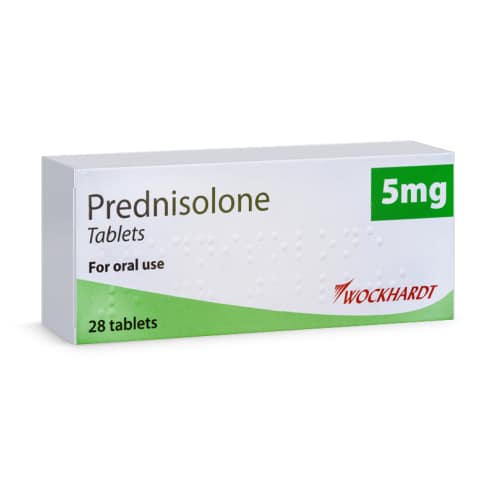
Prednisolone in the United States: Comprehensive Guide for Safe Use, Prescription, and Patient Experience
Can I Obtain Prednisolone Without a Prescription in the United States?
No. Prednisolone is a prescription-only medication in the United States. Purchasing or using Prednisolone without a valid prescription is illegal and can be dangerous to your health. U.S. pharmacies, whether local or online, are legally required to verify a prescription from a licensed healthcare provider. The FDA restricts non-prescription sales of corticosteroids due to the risk of severe side effects and misuse. If you see any website offering Prednisolone without a prescription, consider it a red flag for counterfeit or unsafe medication.
Key Takeaways: Prednisolone Facts at a Glance
| Active Ingredient | Prednisolone |
| Drug Class | Corticosteroid (Glucocorticoid) |
| Indications | Inflammatory conditions (e.g., asthma, arthritis, allergies, autoimmune diseases) |
| Prescription Status | Prescription only in United States |
| Onset of Action | 1–2 hours (oral); peak effect within 4–8 hours |
| Common Side Effects | Increased appetite, mood changes, insomnia, high blood sugar, risk of infection |
| Absolute Contraindication | Active, untreated systemic infection |
| Price Range* (U.S.) | $10–$60 for 30 tablets (5 mg), depending on brand, pharmacy, and insurance |
| Maximum Daily Dose | Individualized; commonly not to exceed 60 mg daily in adults |
*Estimated retail price in United States as of 2026. May vary by location and insurance plan.
How Does Prednisolone Work in the Body? (Mechanism of Action Explained)
Prednisolone is a potent synthetic glucocorticoid, a type of corticosteroid hormone. It works by binding to glucocorticoid receptors in almost every cell in your body. Once attached, it enters the cell nucleus and influences the transcription of dozens of genes — effectively reducing the production of pro-inflammatory proteins (like interleukins and tumor necrosis factor-alpha) and increasing the synthesis of anti-inflammatory proteins.
On a biochemical level, Prednisolone inhibits phospholipase A2 (an enzyme that releases arachidonic acid from cell membranes), which in turn blocks the formation of inflammatory mediators such as prostaglandins and leukotrienes. This cascade leads to a broad suppression of inflammation, swelling, and immune activity. Importantly, Prednisolone acts independently — it does not require external triggers; it simply needs to be absorbed and reach systemic circulation.
Metaphor: Imagine inflammation as an out-of-control wildfire. Prednisolone acts like both a firebreak (blocking the spread) and a fire suppressor (putting out flames at the source).
Recent clinical studies (2023–2024) have confirmed Prednisolone’s effectiveness across a wide range of inflammatory and autoimmune diseases, while also highlighting its side effect profile, particularly with long-term or high-dose use. [PubMed]
Expert Commentary from doctor
In my daily clinical experience, I see many patients who view Prednisolone as a “quick fix” for inflammation and pain. The reality is more nuanced. While Prednisolone is highly effective at controlling acute flare-ups, I often emphasize to patients that careful tapering and monitoring are critical. One common issue is missing follow-up appointments, which can result in unrecognized side effects like high blood sugar or mood swings. Additionally, abrupt discontinuation can lead to adrenal insufficiency, a potentially life-threatening complication. If you’re prescribed Prednisolone, always discuss a clear plan for monitoring, dose adjustments, and when to seek help for side effects. And never hesitate to ask your doctor about lifestyle modifications and alternative therapies that might minimize corticosteroid exposure.
How Should Prednisolone Be Taken? (Dosage and Administration)
- Standard Adult Dose: Highly variable (5 mg–60 mg daily), depending on the condition and severity. Always individualized.
- Pediatric Dose: Calculated per body weight; children are especially sensitive to side effects — dosing must be handled by a pediatric specialist.
- Administration: Usually taken as a single dose in the morning to mimic the body’s natural steroid cycle and reduce insomnia risk.
- Peak Effect: Most patients experience peak symptom relief 4–8 hours after oral ingestion.
- Duration of Action: Approximately 12–36 hours, depending on the dose and formulation.
- Tablet Splitting: Most standard tablets can be split, but always check your specific product — some extended-release or enteric-coated forms must not be split or crushed.
- Tapering: Prednisolone must be tapered gradually after prolonged use (more than 7–10 days) to avoid adrenal crisis. Your healthcare provider will design your tapering schedule.
Maximum daily dose for most adults should not exceed 60 mg, unless under close specialist supervision. Doses above this increase the risk of severe side effects and are rarely justified outside of hospital settings.
- Elderly Patients: Often require lower starting doses due to increased risk of side effects such as osteoporosis, confusion, and infection. Close monitoring is essential.
- Renal or Hepatic Impairment: May require dose adjustments; consult your doctor for individualized recommendations.
Prednisolone and Food, Alcohol, and Lifestyle: What’s Safe?
- With Food?
- Prednisolone can be taken with or after meals to reduce stomach irritation. Absorption is not significantly affected by food, but a heavy or fatty meal may delay absorption by 30–60 minutes.
- Alcohol?
- Moderate alcohol intake (e.g., one standard drink) is not strictly prohibited, but both alcohol and Prednisolone can irritate the stomach lining, increase risk of ulcers, and may worsen mood swings or blood sugar spikes. Binge drinking or regular alcohol use is discouraged.
- Grapefruit Juice?
- No clinically significant interaction is reported between grapefruit juice and Prednisolone. However, always check for updates as metabolic pathways may differ for other corticosteroids.
- Supplements and Herbal Products?
- Some herbal products (e.g., St. John’s Wort) may increase metabolism of Prednisolone, reducing its effect. Always inform your doctor of all supplements.
Key Lifestyle Note: Prednisolone can cause insomnia, mood changes, and increased appetite. Avoid caffeine in the evening, monitor calorie intake, and maintain regular sleep hygiene.
Who Should Not Take Prednisolone? (Absolute and Relative Contraindications)
| Type | Condition | Reason |
|---|---|---|
| Absolute | Active, untreated systemic infection (e.g., tuberculosis, fungal sepsis) | Risk of life-threatening infection due to suppressed immune response |
| Absolute | Known hypersensitivity to Prednisolone or any excipient | Risk of severe allergic reaction |
| Relative | Uncontrolled diabetes mellitus | Prednisolone raises blood sugar; may cause hyperglycemic crisis |
| Relative | Severe osteoporosis | Prednisolone accelerates bone loss |
| Relative | History of peptic ulcer disease | Increased risk of ulcers and GI bleeding |
| Relative | Recent myocardial infarction (heart attack) | Risk of cardiac complications; use only if benefits outweigh risks under specialist supervision |
| Relative | Psychiatric disorders (e.g., severe depression, psychosis) | Prednisolone can worsen mood and psychiatric symptoms |
| Relative | Glaucoma or cataracts | Risk of worsening eye conditions |
Bottom line: Always provide your full medical history to your doctor before starting Prednisolone. Some relative contraindications may be managed with close monitoring.
What Side Effects Are Most Common with Prednisolone?
- Very Common (>1 in 10): Increased appetite, insomnia, mood changes (irritability, anxiety), fluid retention, high blood sugar
- Common (1 in 10–1 in 100): Weight gain, elevated blood pressure, indigestion, muscle weakness, delayed wound healing, increased risk of infection, acne, menstrual irregularities
- Rare (1 in 1,000–1 in 10,000): Osteoporosis, cataracts, glaucoma, psychiatric reactions (mania, psychosis), peptic ulcers
- Very Rare (<1 in 10,000): Avascular necrosis of bone (especially femoral head), adrenal crisis after abrupt withdrawal, severe allergic reactions
Why do these happen? Most side effects are due to the drug’s interference with the body’s hormone balance, immune system, and metabolism.
What should you do if you experience side effects?
- Mild (appetite, mild insomnia): Monitor and report at your next appointment.
- Moderate-severe (severe mood swings, infection, vision changes): Contact your doctor immediately.
- Signs of adrenal crisis (weakness, vomiting, low blood pressure, confusion after abrupt stop): Call 911 or visit the nearest ER in United States.
Never stop Prednisolone suddenly without medical supervision if you’ve taken it for more than a week.
Common Patient Mistakes Observed by doctor
- Stopping Prednisolone Abruptly: Many patients feel better and stop the medication suddenly, risking adrenal insufficiency. Always follow a prescribed taper.
- Doubling Up After a Missed Dose: Taking two doses at once can spike blood sugar and increase side effects. If you miss a dose, take it as soon as you remember, but skip if it’s almost time for the next dose.
- Self-Adjusting Doses: Changing your dose without consulting your doctor may lead to disease flare-ups or side effects.
- Ignoring Blood Sugar and Blood Pressure Monitoring: Prednisolone can unmask diabetes or worsen hypertension. Home monitoring is crucial, especially if you have risk factors.
- Not Reporting Mood Changes: Symptoms like depression, anxiety, or irritability are often dismissed but can be severe under corticosteroid therapy.
- Taking Prednisolone at Night: Increases risk of insomnia and mood swings; morning dosing is generally preferred.
- Obtaining Medication Without a Valid Prescription: In the U.S., this exposes you to legal penalties and the risk of counterfeit drugs.
How Does Prednisolone Compare to Other Anti-Inflammatory Medications?
| Medication | Onset of Action | Duration | Common Side Effects | Estimated Price (U.S.)* | Prescription Required |
|---|---|---|---|---|---|
| Prednisolone | 1–2 hours | 12–36 hours | Insomnia, appetite gain, mood changes, infection | $10–$60 (30x5mg) | Yes |
| Methylprednisolone | 1–2 hours | 12–36 hours | Similar to Prednisolone | $15–$80 (30x4mg) | Yes |
| Prednisone | 1–2 hours | 12–36 hours | Similar to Prednisolone | $12–$55 (30x5mg) | Yes |
| Hydrocortisone | 1 hour | 8–12 hours | Lower potency, fewer metabolic effects | $20–$70 (30x10mg) | Yes |
| NSAIDs (e.g., Ibuprofen) | 30–60 min | 4–8 hours | Stomach upset, ulcers, bleeding | $7–$20 (30x200mg) | No (OTC) |
*Retail prices as of 2026; may vary by city and insurance. NSAIDs are available over-the-counter, but corticosteroids like Prednisolone strictly require a prescription.
In short: Prednisolone is preferred for systemic, severe, or autoimmune inflammation. NSAIDs are for mild-moderate pain and are not substitutes for corticosteroids.
Questions Frequently Asked to doctor
- How long can I safely take Prednisolone?
- For most conditions, the shortest effective duration is best. Long-term use increases risk of side effects like osteoporosis and diabetes. Always discuss with your doctor, especially if prescribed for more than 2–4 weeks.
- What happens if I miss a dose?
- Take the missed dose as soon as you remember. If it’s close to your next scheduled dose, skip the missed one. Never double up. Consistency is key for safety.
- Can Prednisolone be taken with my blood pressure or diabetes medications?
- Often yes, but your doctor may need to adjust doses. Prednisolone can raise blood sugar and blood pressure, so closer monitoring is warranted.
- Is it safe to drink alcohol while on Prednisolone?
- Occasional moderate drinking is not strictly contraindicated, but alcohol may worsen stomach side effects and mood changes. Limit use and consult your provider if you have liver issues or a history of ulcers.
- Does Prednisolone interact with vaccines?
- High doses of Prednisolone can reduce vaccine effectiveness and should be discussed with your doctor. Live vaccines are generally avoided until steroid therapy ends.
- Can children take Prednisolone?
- Yes, but dosing is highly individualized and they are more prone to growth suppression and immune effects. Treatment must be closely supervised by a pediatrician.
- What should I do about side effects?
- Report all side effects to your provider. Seek immediate help for signs of infection, mood changes, vision problems, or sudden withdrawal symptoms.
Pharmacokinetics: How Is Prednisolone Processed and Eliminated?
After oral administration, Prednisolone is absorbed in the gut with peak plasma concentrations in 1–2 hours. It is extensively metabolized in the liver by hepatic enzymes (primarily CYP3A4). Its biological half-life is typically 2–4 hours, while the duration of action can last up to 36 hours due to receptor binding. Prednisolone and its metabolites are eliminated mainly via the kidneys (urine).
- Liver Impairment: Reduced metabolism may increase risk of toxicity.
- Renal Impairment: Slower elimination; dose adjustments may be necessary.
Note: The half-life does not equal clinical effect duration — inflammatory suppression may last much longer.
Compatibility Check: Prednisolone with Other Medications
| Drug/Product | Can It Be Combined? | Potential Consequences |
|---|---|---|
| NSAIDs (e.g., Ibuprofen, Naproxen) | With Caution | Higher risk of stomach ulcers, GI bleeding |
| Warfarin (anticoagulant) | With Caution | Prednisolone may alter warfarin effect; increased bleeding risk |
| Live Vaccines | STRICTLY NO (High Doses) | Weakened immune response, risk of infection |
| Diabetes Medication | Yes, with Monitoring | May require higher doses of diabetes medication |
| Antifungals (e.g., Ketoconazole) | With Caution | May inhibit Prednisolone metabolism, increasing effects |
| Herbal Supplements (St. John’s Wort) | Not Recommended | Can reduce Prednisolone blood levels, lowering effect |
Special Populations: Considerations for Children, Elderly, and Chronic Conditions
- Children: Risk of growth retardation, immune suppression, behavioral effects. Use only under close pediatric supervision.
- Elderly: Increased susceptibility to osteoporosis, confusion, diabetes, and infection. Lower starting doses, frequent monitoring.
- Pregnant/Breastfeeding: Use only if benefits outweigh risks; Prednisolone crosses placenta and is excreted in breast milk. Obstetric consultation required.
- Chronic Conditions (e.g., diabetes, hypertension, kidney/liver disease): Prednisolone can exacerbate underlying diseases; adjust dose, monitor labs closely.
- Driving/Machinery: Unlikely to impair ability unless causing insomnia, mood changes, or confusion. If affected, avoid hazardous tasks.
- Fertility: No strong evidence for direct impact, but chronic high-dose therapy may affect hormone balance.
Original vs Generic Prednisolone: What’s the Difference?
- Active Ingredient: Both contain bioequivalent Prednisolone.
- Excipients (Inactive Ingredients): May differ — can affect tolerability in people with allergies or sensitivities (e.g., lactose, dyes).
- Efficacy: FDA requires generics to demonstrate equivalent absorption and effect.
- Price: Generics are usually 30–70% less expensive. For example, branded Prednisolone may cost $40 for 30 tablets, while a generic may cost $10–$20. Insurance copays may also differ.
- Packaging: Brand often has distinctive design, color, and anti-counterfeit features; generics may differ in shape or imprint.
Bottom line: Generics are safe and effective for almost all patients in the United States. If you have known allergies, review the ingredient list with your pharmacist.
How to Spot Counterfeit Prednisolone in the United States
- Check for FDA-approved packaging (lot number, expiration date, manufacturer label).
- Look for tamper-evident seals and, if available, QR codes or holograms on branded products.
- Tablets should be uniform in color, shape, and embossing (e.g., “54 375” for one common generic).
- Avoid products sold at a price dramatically lower than reputable U.S. pharmacies.
- Never buy Prednisolone from websites that do not require a prescription — risk of counterfeit or contaminated pills.
- If in doubt, consult your pharmacist; authentic U.S. pharmacies can verify batch numbers and manufacturer details.
How to Legally Obtain Prednisolone in the United States: Step-by-Step Guide
- Consultation: See your healthcare provider (in-person or via telemedicine) for assessment and diagnosis. In cities like New York, Los Angeles, and Chicago, many clinics offer same-day online appointments.
- Prescription: If Prednisolone is appropriate, your doctor will provide an electronic or paper prescription compliant with U.S. regulations.
- Pharmacy Fulfillment: Present your prescription at a local or verified online pharmacy (look for NABP or LegitScript certification).
- Insurance/Billing: If insured, provide your card; most plans cover Prednisolone for approved diagnoses, but copays vary.
- Pick-up or Delivery: Receive medication in-person or arrange for secure mail delivery (available in most states; check local laws).
- Education: Pharmacist will provide counseling on dosing, side effects, and storage.
Tip: Never attempt to import Prednisolone from overseas or purchase from unlicensed sellers; U.S. customs may seize the product and you risk criminal penalties.
Insurance, Pricing, and Reimbursement: What to Expect in the U.S.
- Most private and public insurance plans (including Medicare and Medicaid) cover Prednisolone if medically indicated.
- Typical copay for a 30-day supply ranges from $5 to $25 for generics; branded versions may cost $30–$60.
- Uninsured patients pay full retail price, but discount programs and manufacturer coupons may be available.
- Check your plan’s formulary and ask your provider for the most affordable option.
- Pharmacies in major cities (e.g., Houston, Miami, Seattle) may offer price matching or discount cards for self-pay patients.
Living with Inflammatory Conditions: Empathy and Support
If you’ve been prescribed Prednisolone, remember: inflammatory and autoimmune diseases are common and nothing to be ashamed of. Many people in the United States successfully manage these conditions with a combination of medication, lifestyle adaptation, and support networks. Don’t hesitate to talk openly with your doctor, a counselor, or your loved ones about your experiences and concerns. You are not alone, and effective treatment options exist.
What to Do in Case of Prednisolone Overdose
- Stop taking Prednisolone immediately.
- Call your local emergency number (911) or Poison Control Center (1-800-222-1222) in the United States.
- Inform the medical professional of the exact dose, time of ingestion, and any symptoms (vomiting, confusion, weakness).
- Do not try to induce vomiting unless instructed by a medical professional.
- Bring the medication packaging for identification.
Symptoms of overdose may include confusion, severe high blood pressure, irregular heartbeat, seizures, or adrenal crisis. Immediate medical attention is essential.
Professional Opinion of doctor
From my experience, Prednisolone remains one of the most effective and versatile anti-inflammatory agents when used appropriately. It is especially beneficial for patients with acute flare-ups of autoimmune or allergic diseases, or those who have not responded to less potent therapies. However, its side-effect profile — particularly with prolonged or high-dose use — demands respect. I believe the greatest benefit comes from individualized, short-term courses, combined with non-pharmacological interventions like physical therapy or dietary management. In some situations, alternative medications (such as non-steroidal anti-inflammatory drugs or biologics) may be preferable, especially for patients at high risk of steroid complications. Ultimately, open communication and regular follow-up are key to maximizing benefit while minimizing harm with Prednisolone therapy.
Frequently Asked Questions (FAQ)
- Can I use Prednisolone every day?
- Only if prescribed and supervised by your doctor; long-term daily use increases the risk of serious side effects.
- Can Prednisolone be purchased over-the-counter in the U.S.?
- No, a prescription from a licensed healthcare provider is always required.
- How quickly does Prednisolone work?
- Most patients feel relief within 1–2 hours, with peak effect in 4–8 hours after taking an oral dose.
- Is Prednisolone addictive?
- It does not cause addiction, but your body can become dependent. Stopping suddenly after more than a week of use can cause withdrawal (adrenal crisis).
- What should I do if I forget a dose?
- Take it as soon as you remember, but skip if it’s almost time for the next dose. Do not double up.
- Are there foods or drinks I should avoid?
- Avoid alcohol or excessive caffeine, and take with food to minimize stomach irritation. No specific foods must be strictly avoided.
- Can I drive after taking Prednisolone?
- Most people can drive, but if you feel drowsy, confused, or have vision changes, avoid driving and contact your doctor.
- Is Prednisolone safe in pregnancy?
- Use only if benefits outweigh risks; consult your obstetrician or maternal-fetal medicine specialist.
- How do I know if my Prednisolone is authentic?
- Fill your prescription at a licensed pharmacy, check for FDA-approved packaging, and consult your pharmacist if unsure.
Sources / References
- U.S. Food & Drug Administration (FDA): https://www.fda.gov/drugs
- Mayo Clinic, Prednisolone (Oral Route): https://www.mayoclinic.org/drugs-supplements/prednisolone-oral-route/description/drg-20075299
- PubMed, Recent Clinical Studies: https://pubmed.ncbi.nlm.nih.gov
- ClinicalTrials.gov (Search: Prednisolone): https://clinicaltrials.gov
- American College of Rheumatology: https://www.rheumatology.org
- Centers for Disease Control and Prevention (CDC): https://www.cdc.gov
- National Institutes of Health (NIH) MedlinePlus: https://medlineplus.gov/druginfo/meds/a682795.html
- National Association of Boards of Pharmacy (NABP): https://nabp.pharmacy
Bottom line: Prednisolone is a powerful and clinically proven therapy for inflammation, but safety depends on proper prescription, careful monitoring, and honest communication with your healthcare provider. Never attempt to use or obtain Prednisolone in the United States without medical supervision. If you have further questions or concerns, schedule an appointment with a licensed specialist in your area.