
- Home/
- Buy Propecia Online in the United States – Fast and Secure Ordering
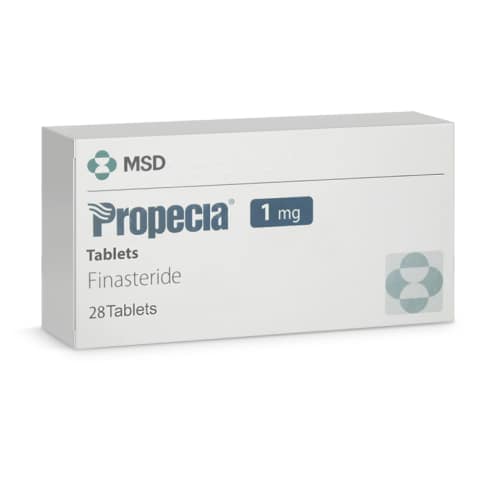
Propecia in the Decision Moment: Is It the Right Call for You?
You stand in front of the mirror and run your fingers through your hair. Some mornings, it feels thinner than the day before. You’ve scrolled through forums, ads, even dermatology websites. One medication—Propecia—keeps coming up. But is it the next step, or just another expensive hope?
For millions of men in the United States, Propecia isn’t just a brand name. It’s the only FDA-approved oral medication for male pattern hair loss (androgenetic alopecia), with a specific track record for slowing hair loss and regrowing hair. Choices in hair loss are personal, sometimes fraught, and rarely clear-cut. Topical minoxidil, supplements, laser caps, and surgical options all compete for attention. But Propecia’s clinical evidence is stronger, and its use is more widespread, for one reason: it’s the only pill proven to target the hormonal pathway driving common male hair loss.
Still, not everyone is a candidate. Not all hair loss is the same. And not all results are dramatic. The real decision involves asking: Am I the right patient for Propecia? Will it work for my pattern of hair loss? What risks am I willing to tolerate, and for how long?
Understanding whether Propecia is right for you means knowing your diagnosis, your expectations, and the commitment required. The sections that follow will help you navigate that choice, not just with data—but with the reality of what living with, and treating, hair loss in the United States actually means.
Finasteride, Up Close: What It Does That Others Don’t
Finasteride isn’t the first attempt to slow male pattern hair loss. But it is the only one that targets the hormone dihydrotestosterone (DHT) systemically—the actual driver behind shrinking hair follicles in androgenetic alopecia.
By selectively inhibiting the enzyme 5-alpha reductase type II, finasteride reduces DHT levels in scalp and blood by up to 70%. This slows or halts follicle miniaturization—the process that turns thick, healthy hairs into wispy, almost invisible strands over years.
- Dihydrotestosterone (DHT)
- An androgen hormone derived from testosterone. Elevated scalp DHT is the main culprit in male pattern baldness, gradually causing hair follicles to shrink and eventually stop producing visible hair.
- 5-alpha reductase
- An enzyme that converts testosterone to DHT. Finasteride partially inhibits this enzyme, lowering DHT levels enough to slow hair loss without fully eliminating androgens from the body.
This mechanism sets finasteride apart from minoxidil (Rogaine), which works locally to improve blood flow and possibly trigger growth in some hair follicles, but does not touch the hormonal pathway. No vitamin, supplement, or topical product can replicate finasteride’s DHT-lowering effect.
For patients, this means one thing: If you’re losing hair due to male pattern baldness, only a DHT blocker like finasteride can fundamentally change the game. But because hormones affect more than just hair, this approach comes with its own set of potential trade-offs, which we’ll navigate in coming sections.
Expectations vs. Reality: What Propecia Can (and Can’t) Deliver
In the world of hair loss, hope and hype often travel together. Friends share “miracle” photos; forums fuel stories of dramatic regrowth. But what does Propecia actually deliver? And how does that stack up to what patients expect?
Clinical trials show most men experience a slowdown or halt in hair loss after about three months of daily use. Actual regrowth—meaning visible, thicker hair—is less common but not rare. The best results typically appear after 6 to 12 months, and are most pronounced at the crown and mid-scalp. Receding hairlines, especially at the temples, are less likely to see substantial improvement.
- Propecia’s effect is gradual. Most men notice less hair in the shower drain first, then some thickening over months. Sudden “shock” regrowth is almost unheard of.
- If you stop taking Propecia, any hair preserved or regrown will likely be lost within 9 to 12 months. Its benefits are maintenance, not cure.
- Roughly 80–90% of men see a stabilization of hair loss; 60–65% report modest regrowth in clinical studies (FDA).
- Visible results depend on genetics, age, duration of hair loss before starting, and how faithfully you take the medication.
All this means one thing: If you’re expecting overnight change or a return to teenage hair density, Propecia will disappoint. If your goal is to hold on to what you have, and perhaps see some mild to moderate thickening, it’s a strong contender. Set realistic goals, and you’re less likely to quit early or blame the drug for not delivering the impossible.
Taking Propecia: What Starting, Sticking, and Stopping Actually Look Like
The prescription slip seems simple: “Finasteride 1mg, take one tablet daily.” But real-world use is less straightforward. Questions about timing, missed doses, and combining with other treatments come up nearly every week in American clinics.
| Indication | Recommended Dose | Frequency | Special Considerations |
|---|---|---|---|
| Male pattern hair loss (androgenetic alopecia) | 1 mg | Once daily | Not affected by food; take at same time each day for habit reinforcement |
| Benign prostatic hyperplasia (not for hair loss) | 5 mg | Once daily | Different indication, not interchangeable with Propecia |
For hair loss, only the 1mg dose is approved and studied. Doubling up does not improve results and may increase risk. Missing a single dose is not a crisis—just take the next scheduled dose. Consistency, not perfection, is what matters for long-term benefit.
Combining Propecia with topical minoxidil is common practice, and clinical studies suggest the combo is more effective than either treatment alone for many patients (Mayo Clinic). However, neither drug cures hair loss: Stop either, and hair loss resumes as before.
Which Side Effects Matter Most with Propecia—and When to Act
Sexual side effects. The phrase alone is enough to put some men off Propecia entirely. But how common are these risks, and what do they actually feel like in practice?
Clinical trials report that about 1.5–3.8% of men experience some form of decreased libido, erectile dysfunction, or reduced semen volume during the first year of use. Most cases are mild and resolve with continued use or stopping the medication. Persistent sexual side effects—those that linger for months after stopping—are reported, but the true rate is debated and remains low according to most large studies (FDA).
Other potential side effects include breast tenderness, mood changes, and rash. Rarely, finasteride may affect liver function or cause a severe allergic reaction.
| Side Effect | Frequency (approx.) | When to Contact a Doctor |
|---|---|---|
| Decreased libido | 1.8–3.8% | If persistent or distressing |
| Erectile dysfunction | 1.3–3.5% | If persistent, severe, or affecting quality of life |
| Reduced semen volume | ~1% | If accompanied by pain, blood, or infertility |
| Breast tenderness or enlargement | <1% | If persistent, painful, or with nipple discharge |
| Mood changes (including depression) | Rare | If symptoms are significant or worsen |
| Rash or swelling | Rare | Immediately, due to risk of allergy |
In practice, most men tolerate Propecia well, and side effects—if they occur—typically emerge within the first few months. If you notice changes in mood, sexual function, or any new symptoms after starting, bring it up early with your doctor. No reputable prescriber in the United States will dismiss these concerns; balancing benefit and risk is central to ongoing care.
“In real-world practice, most men who experience side effects with finasteride will see them resolve after stopping or with continued use. But what’s underappreciated is the power of expectation—if you start Propecia convinced you’ll lose sexual function, you’re more likely to notice minor changes. Open conversation and honest expectation-setting are as important as the prescription itself.”
When Not to Take Propecia: Contraindications and Red Flags
- Pregnancy or potential pregnancy: Propecia must never be taken or handled by women who are or may become pregnant, due to risk of birth defects in male fetuses. Even crushed tablets can be dangerous.
- Known allergy to finasteride: A history of hypersensitivity reactions, such as rash, hives, swelling, or difficulty breathing, precludes use.
- Severe liver disease: Finasteride is metabolized by the liver; significant impairment may require avoidance or adjustment.
- Current use of certain medications: While few drug-drug interactions are clinically significant, always inform your prescribing physician of all your medications.
- History of depression: There are rare reports of mood changes with finasteride. If you have a personal or family history of depression or anxiety, discuss this in detail with your doctor before starting.
- Male breast cancer or unexplained breast changes: Though exceedingly rare, finasteride has been associated with some cases of male breast cancer. New lumps, pain, or nipple discharge should prompt immediate evaluation.
The bottom line: Propecia is safe for most healthy adult men with male pattern hair loss, but a careful medical history—especially regarding liver, mood, and family planning—is essential. Your doctor’s job is not just to prescribe, but to screen for these risks and help you make a decision with eyes open.
How Propecia Stacks Up: Comparing Finasteride and Its Main Competitors
| Attribute | Propecia (Finasteride 1mg) | Topical Minoxidil (Rogaine) | Dutasteride (off-label for hair loss) |
|---|---|---|---|
| Approved Use (US) | Male pattern hair loss | Male/female pattern hair loss | Not approved (off-label) |
| Mechanism | Systemic DHT blocker | Vasodilator, follicle stimulator | Dual 5-alpha reductase inhibitor (DHT blocker) |
| Form | Oral tablet, prescription only | Topical liquid/foam, OTC | Oral capsule, prescription (off-label for hair) |
| Onset of Effect | 3–6 months | 2–4 months | 3–6 months |
| Effectiveness (Men) | 60–65% regrowth/stabilization | ~40% regrowth/stabilization | Likely higher than finasteride, but unapproved |
| Common Side Effects | Sexual dysfunction, mood change, rare allergy | Irritation, itching, rare shedding | Higher sexual side effects, possible mood changes |
| Prescription Status | Prescription only | Over-the-counter | Prescription only (not FDA-approved for hair loss) |
| Cost (US) | $$ (often not covered by insurance) | $ (OTC, low cost) | $$$ (variable, not covered) |
| Adherence Factors | Daily pill, easy to remember | Twice daily topical, requires manual application | Daily pill, but higher side effect risk |
| Monitoring | None required for most; annual check-in | None | Clinical monitoring recommended |
What does this mean in practice? Propecia offers the strongest evidence and is the only oral option FDA-approved for male hair loss. Minoxidil is safer for most, but less potent and often messier to use. Dutasteride may work better, but its use for hair loss in the United States is off-label, comes with higher risks, and lacks long-term safety data. Cost and convenience often tip the scales—insurance rarely covers any of these for hair loss, so out-of-pocket price matters. For most eligible men ready to commit for the long haul, Propecia is the benchmark against which all other therapies are measured.
Getting Propecia in the United States: Prescription, Price, and Pharmacy Realities
In the US, getting Propecia starts at the doctor’s office, not the drugstore. It’s prescription-only, and no legitimate US pharmacy will sell it without a doctor’s authorization. Online telemedicine services and hair loss clinics can prescribe and ship finasteride after a virtual assessment, but beware of websites operating outside US law—counterfeit or contaminated pills are a real risk.
- Diagnosis: Only male pattern hair loss is approved. Your doctor should confirm this, often by history and exam—no blood test required unless a different cause is suspected.
- Prescription: Brand-name Propecia and generic finasteride (1mg) are both available. Efficacy and safety are identical; price is not.
- Pharmacy Fill: Any licensed US pharmacy can dispense Propecia or generic. Most insurers do not cover it for hair loss, so expect to pay out of pocket—$10–$75 per month for generics, $90–$150 for brand.
- Monitoring: Annual check-ins are typical, though some clinics may offer shorter prescription durations to ensure continued evaluation.
US regulatory oversight is strict. Only trust pharmacies registered with the FDA and state boards of pharmacy. If a website does not require a valid US prescription, it is operating illegally and may be dangerous.
What If Something Goes Wrong? Troubleshooting Propecia in Real Life
You’re three months in, and the shower drain still looks the same. Or maybe you notice a change in sexual function, or just aren’t sure if you’re doing anything wrong. Propecia’s “troubleshooting” is as much psychological as medical—most problems have solutions, but the key is knowing when to wait and when to act.
- Not seeing results after 6 months? Give it until the 12-month mark unless you’re having intolerable side effects. If nothing changes after a year, talk to your doctor about stopping or switching.
- Worried about sexual side effects? Stop the medication and see if symptoms resolve. For many, symptoms improve within weeks. If not, a specialist can help sort out the cause—often, anxiety or unrelated medical factors play a role.
- Missing doses? Don’t double up; just resume your routine. Consistency matters over months, not perfection every single day.
- Thinking about quitting? Discuss with your physician before stopping abruptly, especially if combining with minoxidil or other treatments.
- Experience mood changes, breast tenderness, or rash? Contact your provider immediately—these are rare but important to address quickly.
Propecia FAQ: Real Answers for Real Questions
- Is it safe to order Propecia online in the United States?
- Only if the pharmacy is licensed in the US and requires a prescription. Many websites sell unregulated products—these are unsafe and illegal. Stick to US-registered pharmacies or reputable telemedicine platforms.
- Can women use Propecia for hair loss?
- No. Propecia is not approved for use in women, and it is unsafe in pregnancy due to a risk of birth defects. Some physicians may prescribe finasteride off-label to postmenopausal women, but this is not standard and requires careful specialist supervision.
- What happens if I miss a dose?
- Take your next dose at the usual time. Do not double doses. Missing an occasional dose won’t affect results, but frequent missed doses can reduce effectiveness over time.
- How long before I know if Propecia is working?
- Most patients see reduced hair shedding by three months, with the best cosmetic results at 6–12 months. If you see no change after a year, consult your doctor about alternatives.
- Does Propecia interact with other medications?
- Significant drug interactions are rare, but always tell your doctor about all medications and supplements. Some drugs affecting liver enzymes may change how finasteride is processed.
- Will insurance cover Propecia?
- Most US insurers do not cover Propecia or generic finasteride when used for hair loss. Out-of-pocket costs vary widely between brand and generic, and by pharmacy.
- Can I combine Propecia with minoxidil?
- Yes. Combination therapy is common and supported by clinical studies, with higher rates of hair stabilization and regrowth than either drug alone for many patients.
- What should I do if I develop sexual side effects?
- Talk to your doctor before stopping. Most side effects resolve after discontinuation, but your physician can help distinguish between drug-related and unrelated changes—and discuss alternative approaches.
- Is there a risk of permanent side effects with Propecia?
- Persistent side effects after stopping Propecia have been reported, but they are uncommon and the risk is likely low. No large, definitive studies have clarified this issue. If you have concerns, discuss them with your doctor before starting.
References
- FDA – Propecia (Finasteride) Information
- Mayo Clinic – Hair loss: Diagnosis and treatment
- American Academy of Dermatology – Guidelines for the management of androgenetic alopecia, 2019
- PubMed – Clinical studies on finasteride for androgenetic alopecia
- Merck & Co. – Propecia Prescribing Information, 2023
- ClinicalTrials.gov – Finasteride studies
- International Society of Hair Restoration Surgery – Position Statements
- National Institutes of Health (NIH) – Androgenetic Alopecia Overview