
- Home/
- Buy Ventolin Inhaler Without Prescription in the United States
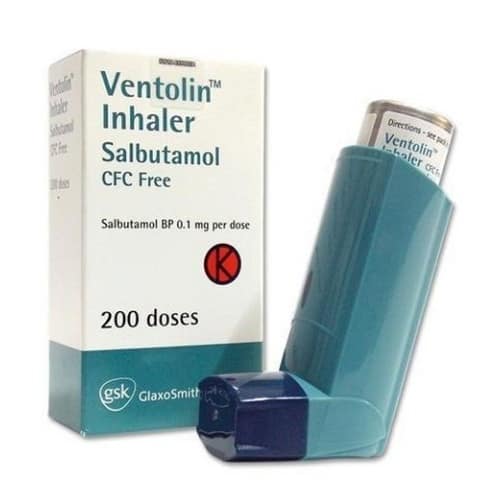
Can Ventolin Inhaler Be Purchased Without a Prescription in the United States?
No, Ventolin Inhaler (salbutamol/albuterol) is a prescription medication in the United States. It cannot be legally purchased without a valid prescription from a licensed healthcare provider. Over-the-counter sales of this medication are not permitted under current U.S. law.
Key Takeaways: What Should Patients Know About Ventolin Inhaler?
- Ventolin Inhaler is primarily used for quick relief of asthma symptoms and bronchospasm in both adults and children.
- You must have a prescription from a licensed healthcare provider to obtain Ventolin Inhaler in the U.S.
- The medication acts within minutes, but improper use or overuse can increase risk of side effects.
- Ventolin Inhaler is not a substitute for long-term asthma control therapy; it relieves acute symptoms but does not treat the underlying inflammation.
- Always seek medical advice if you notice reduced effectiveness or if you need to use your inhaler more frequently than prescribed.
- Consult a healthcare specialist if you have cardiac history, arrhythmias, or are taking other asthma medications.
How Does Ventolin Inhaler Work? Mechanism of Action Explained
Ventolin Inhaler contains albuterol (also known as salbutamol), a selective beta-2 adrenergic receptor agonist. When inhaled, it rapidly binds to beta-2 receptors located in airway smooth muscle. This binding stimulates adenylate cyclase, increasing cyclic AMP (cAMP) levels. Elevated cAMP leads to a cascade that relaxes bronchial smooth muscle, resulting in airway dilation (bronchodilation). The medication has a rapid onset of action, typically providing relief within 5–15 minutes after inhalation.
In simpler terms: Ventolin Inhaler acts like a key, unlocking the airways to help you breathe easier during asthma attacks or episodes of bronchospasm. Its effect is direct and does not require preceding inflammation or specific triggers, making it suitable for acute relief.
Why Some Patients Don’t Recognize Symptom Patterns or Overuse Risks
In my practice, I often see patients who believe the need for more frequent Ventolin use means their asthma is worsening, but they don’t always recognize that this points to poor underlying control rather than simply needing more quick-relief medication. Many do not realize that Ventolin is not a disease-modifying treatment and should not replace their daily controller therapies. It’s common for people to assume that if symptoms return soon after inhaler use, their device is defective—when in reality, persistent symptoms indicate a need for medical reassessment. Patients rarely ask whether repeated use could harm their heart, but this is a real concern, especially for those with underlying cardiac issues. It’s important to ask your doctor what increased inhaler use might signal about your asthma control, rather than just focusing on symptom relief.
How Should Ventolin Inhaler Be Taken? Dosage, Timing, and Duration of Effect
Standard Adult and Pediatric Dosage: For acute asthma symptoms or bronchospasm, the usual dosage is 1–2 inhalations (90 mcg per actuation) every 4–6 hours as needed. In some acute situations, a second inhalation may be taken after 1 minute if needed. The maximum recommended dose is 8 inhalations in 24 hours unless instructed otherwise by your healthcare provider.
- Onset of action: 5–15 minutes.
- Peak effect: 30–60 minutes.
- Duration of effect: Typically 4–6 hours.
Special Populations: Elderly patients or those with hepatic or renal impairment generally do not require dose adjustments, but caution and close monitoring are advised. Children must use the pediatric formulation and dose as prescribed by a physician.
Ventolin Inhaler is a metered-dose inhaler and should not be split, altered, or used with non-approved spacer devices unless instructed by your healthcare provider.
Does Food, Alcohol, or Lifestyle Affect Ventolin Inhaler’s Action?
- Food: No significant impact. Ventolin is inhaled, so absorption from the digestive tract is minimal and unaffected by food, including fatty meals.
- Alcohol: Moderate alcohol intake is not known to cause major interactions, but excessive alcohol use can worsen asthma control and increase the risk of adverse events such as tremors or palpitations.
- Grapefruit Juice: No clinically significant interaction reported with Ventolin Inhaler.
- Lifestyle: Smoking can worsen asthma and decrease the overall effectiveness of all asthma therapies. Consistent adherence to an asthma action plan is critical.
Who Should Not Use Ventolin Inhaler? Contraindications and Cautions
- Absolute Contraindications:
-
- Known hypersensitivity to albuterol or any component of the inhaler.
- Severe hypersensitivity to excipients (e.g., lactose, although most formulations are lactose-free).
- Relative Contraindications (Use with Caution):
-
- Cardiovascular disease (arrhythmias, recent myocardial infarction, coronary artery disease).
- Uncontrolled hypertension.
- Hyperthyroidism.
- Seizure disorders.
- Pregnancy and lactation: Only under physician supervision and after risk-benefit assessment.
After an acute cardiac event (such as a heart attack), Ventolin Inhaler should only be used under close medical supervision and with cardiology input if possible.
What Side Effects Are Most Common With Ventolin Inhaler?
Ventolin Inhaler is generally well tolerated, but side effects can occur. They are classified by frequency (WHO classification):
- Very Common (>1/10): Tremors (especially in hands), headache, palpitations.
- Common (1/100–1/10): Nervousness, tachycardia (increased heart rate), muscle cramps, throat irritation, cough.
- Rare (1/10,000–1/1,000): Hypokalemia (low potassium), arrhythmias, paradoxical bronchospasm (worsening of wheezing after use), allergic reactions (rash, urticaria).
- Very rare (<1/10,000): Severe allergic (anaphylactic) reactions, angioedema.
Mechanisms: Tremors and palpitations result from beta-2 adrenergic stimulation affecting skeletal muscle and the heart. Hypokalemia arises from intracellular shift of potassium under adrenergic stimulation. Paradoxical bronchospasm occurs rarely and requires immediate discontinuation and medical attention.
What to do if side effects occur? For mild symptoms (tremor, slight nervousness), monitor and discuss with your doctor. For chest pain, palpitations, severe breathing difficulty, or signs of allergic reaction, seek emergency medical care immediately.
Common Mistakes Patients Make With Ventolin Inhaler and How to Avoid Them
- Using the inhaler incorrectly (poor technique): Many patients do not coordinate actuation and inhalation, reducing medication delivery to the lungs. Ask your doctor or pharmacist for a live demonstration and periodic technique checks.
- Increasing frequency without medical advice: Using the inhaler more often than prescribed can signal worsening asthma and raise the risk of side effects. Always consult your provider if you need more frequent doses.
- Skipping controller medication: Some patients rely solely on Ventolin and stop their maintenance therapy. This can increase risk of severe asthma attacks. Never discontinue preventer medications without a doctor’s guidance.
- Forgetting to rinse mouth after use: While less crucial than with steroid inhalers, rinsing helps reduce throat irritation and cough.
- Failure to check inhaler cartridge: Overuse of “empty” inhalers is common. Regularly check dose counters and replace the inhaler as needed.
- Improper storage: Leaving the inhaler in high-heat locations (car, near stoves) can degrade the propellant and medication.
- Ignoring expiration dates: Using an expired inhaler can result in reduced effectiveness. Always check expiration before use.
How Does Ventolin Inhaler Compare to Alternatives? (Competitor Analysis)
Ventolin Inhaler (albuterol) is a short-acting beta-2 agonist (SABA) and is often compared to other SABAs and alternative rescue inhalers.
| Product | Active Ingredient | Onset Speed | Duration | Estimated Price (USD)* | Key Distinctions |
|---|---|---|---|---|---|
| Ventolin HFA Inhaler | Albuterol sulfate (salbutamol) | 5–15 minutes | 4–6 hours | $45–$75 per inhaler (200 doses) | Widely available; generic options exist |
| ProAir HFA Inhaler | Albuterol sulfate | 5–15 minutes | 4–6 hours | $30–$65 per inhaler (200 doses) | Comparable efficacy; cost-effective |
| Xopenex HFA Inhaler | Levalbuterol | 5–10 minutes | 4–6 hours | $70–$110 per inhaler (200 doses) | Some studies suggest fewer side effects in sensitive individuals |
Ventolin Inhaler: Technical Specifications and Storage Table
| Active Ingredient | Albuterol sulfate (salbutamol) |
| Strength Per Actuation | 90 mcg |
| Formulation | Metered dose inhaler (MDI) |
| Typical Doses Per Canister | 200 |
| Onset of Action | 5–15 minutes |
| Duration of Effect | 4–6 hours |
| Storage Instructions | Store at 68–77°F (20–25°C); avoid freezing and excessive heat |
| Shelf Life | Check expiry date on canister; usually 12–24 months from dispensing |
Compatibility of Ventolin Inhaler With Other Medications or Substances
| Substance/Drug | Can It Be Combined? | Possible Consequences |
|---|---|---|
| Beta-blockers (e.g., propranolol) | Generally No | Can block Ventolin’s effect; risk of bronchospasm |
| MAO inhibitors | No (within 2 wks) | Increased risk of cardiovascular side effects |
| Diuretics | Caution | Potential for hypokalemia |
| Corticosteroids | Yes | No significant interaction |
| Alcohol | Yes (moderation) | Excess can worsen asthma control |
| Theophylline | Caution | May increase risk of heart rhythm disturbances |
Step-by-Step Guide: How to Get Ventolin Inhaler in the United States
- Schedule a Consultation: Book an appointment with your primary care provider, pulmonologist, or allergist—either in person or through telemedicine if available in your state.
- Medical Assessment: The doctor will review your medical history, current medications, and asthma control, and may perform lung function tests.
- Prescription Issuance: If appropriate, the physician will prescribe Ventolin Inhaler with specific dosing instructions. You may also receive an updated asthma action plan.
- Pharmacy Fulfillment: Take your prescription (paper or electronic) to a licensed U.S. pharmacy. Most chain and independent pharmacies carry Ventolin Inhaler and its generics.
- Insurance Processing: If you have health insurance, your pharmacy can process coverage or copay. Many plans cover at least one generic albuterol inhaler.
- Medication Pickup: The pharmacist will explain inhaler use, check your technique if requested, and answer any questions. Confirm the product matches your prescription at pickup.
Country-Specific Online Pharmacy Safety Guide: How to Avoid Unsafe Sellers in the U.S.
- Use Verified Pharmacies: Only purchase from online pharmacies certified by the National Association of Boards of Pharmacy (NABP) or those bearing the “VIPPS” (Verified Internet Pharmacy Practice Sites) seal.
- Check for U.S. Licensure: The pharmacy’s license information should be readily available and match the state where it is based.
- Warning Signs of Unsafe Sellers:
- No prescription required claims.
- Prices dramatically lower than reputable pharmacies.
- Unusual payment methods (cryptocurrency, wire transfer only).
- Physical address or pharmacist contact missing from website.
- Risks of Counterfeit Medicines: Non-accredited sites may sell counterfeit or substandard products, which can result in treatment failure or harmful side effects.
- Consumer Protection: Report suspected rogue pharmacies to the FDA’s MedWatch program.
How to Identify a Genuine Ventolin Inhaler and Distinguish It From Counterfeits
- Original Packaging: Ventolin Inhaler comes in a sealed blue and white box with clear branding, product information, lot number, and expiration date. U.S. packaging is in English and includes FDA-required labeling.
- Device Appearance: The inhaler is plastic, usually blue with a white mouthpiece, and may have a dose counter. The canister fits snugly and clicks into place.
- Labeling: The manufacturer’s details (e.g., GSK) and dosage strength (90 mcg/actuation) are printed clearly. Font is crisp and uniform.
- Quality Seals: Some genuine U.S. inhalers include QR codes, holograms, or tamper-evident stickers. Check for these features when present.
- Suspicious Signs: Unusually low prices, spelling errors, missing lot or batch numbers, or products shipped without a box are red flags.
About Generics: Generic albuterol inhalers are FDA-approved and equivalent in effect to branded Ventolin Inhaler but may differ in color, packaging, or propellant. Excipients (inactive ingredients) may vary and can rarely cause allergic reactions. Ask your pharmacist if you have sensitivities or allergies.
Pharmacokinetics of Ventolin Inhaler: How Is It Processed in the Body?
- Absorption: Rapid via pulmonary route; minimal systemic absorption at prescribed doses.
- Distribution: Widely distributed in body tissues, but clinical effect is primarily local to the lungs.
- Metabolism: Mostly metabolized in the liver via sulfonation.
- Elimination: Excreted primarily via kidneys (urine) as metabolites and unchanged drug.
- Half-life (T1/2): Typically 3–6 hours in adults; may be longer in those with severe liver or kidney impairment.
Special Considerations for Certain Patient Groups
- Chronic heart disease: Use only under cardiology supervision due to increased risk of arrhythmias and cardiac events.
- Diabetes mellitus: High doses may increase blood glucose; monitor closely.
- Renal/hepatic impairment: Generally safe at usual doses, but monitor for systemic effects.
- Pregnancy and breastfeeding: Use only if the benefit outweighs the risk, as judged by your doctor. Albuterol is Category C in pregnancy.
- Operating machinery/driving: Rarely impairs ability, but tremor or palpitations may be problematic; use caution until individual effects are known.
- Fertility: No strong evidence of harm, but discuss with your provider if trying to conceive.
Myth vs Reality: Common Misconceptions About Ventolin Inhaler
- Myth: “If I need more Ventolin, I just need to keep using it.”
- Reality: Frequent use is a red flag for poor asthma control and requires medical reassessment.
- Myth: “The inhaler will immediately fix all asthma symptoms no matter what.”
- Reality: Ventolin relieves bronchospasm but does not treat underlying airway inflammation. Maintenance therapy is critical.
Original vs Generic Ventolin Inhaler: What’s the Difference?
- Original: Manufactured by the brand-holder (e.g., GSK), with proprietary packaging and strict quality controls.
- Generic: Manufactured by other FDA-approved companies. Same active ingredient, similar dosing, and efficacy, but may differ in color, design, and minor excipients.
- Excipients: Ask your pharmacist about inactive ingredients if you have allergies.
- Price: Generics are typically 20–40% less expensive and are covered by most U.S. insurance plans.
Both original and generic forms are rigorously evaluated by the FDA for safety and effectiveness.
How to Recognize a Quality Ventolin Inhaler: A Quick Assurance Checklist
- Color: Blue body with white mouthpiece (Ventolin brand); generics may differ.
- Engraving: Clear, consistent labeling on canister and box.
- Packaging: Intact, sealed box with lot/batch number and expiration date.
- Verification: Look for unique identifiers (QR code, hologram) and ensure packaging matches what is shown on the manufacturer’s website.
- Pharmacy: Only obtain from licensed U.S. pharmacies—avoid gray market or unregulated sellers.
What Should You Do in Case of an Overdose With Ventolin Inhaler?
- Stop using the inhaler immediately.
- Call emergency services (911) or your local poison control center (1-800-222-1222) in the United States.
- Provide the exact dose taken and bring the inhaler packaging to the medical team.
- Do not attempt to self-treat severe symptoms such as chest pain, rapid heartbeat, fainting, or severe tremors.
Prompt medical evaluation is crucial to manage potential complications such as arrhythmias, hypokalemia, or severe hypertension.
Questions Patients Most Often Ask doctor About Ventolin Inhaler Use
- How quickly can I expect relief after using Ventolin Inhaler?
- Most patients feel easier breathing within 5–15 minutes. If you do not notice improvement after two doses, seek medical attention.
- If I need to use my inhaler more often, what should I do?
- Contact your healthcare provider as soon as possible. Needing more frequent doses often means your asthma is not well controlled, not that you simply need more Ventolin.
- Are there signs that my inhaler isn’t working anymore?
- If you notice reduced symptom relief, persistent wheezing, or feel you need more puffs for the same effect, check that your inhaler is not empty and consult your doctor promptly.
- Can I use Ventolin Inhaler as my only asthma medication?
- For most people with persistent asthma, Ventolin Inhaler alone is not enough. Maintenance therapy with a controller medication is often required to prevent attacks.
- Should I worry about using Ventolin if I have heart problems?
- Discuss any history of heart disease with your doctor. Ventolin can cause palpitations or arrhythmias, especially if used excessively or in higher-risk populations.
- How is my response to treatment monitored?
- Your doctor will ask about symptom frequency, inhaler use, nighttime symptoms, and may use lung function tests (like spirometry) to assess control.
- Can Ventolin Inhaler be used before exercise?
- Yes, if your doctor recommends it, a dose 15–30 minutes prior to exercise can prevent exercise-induced bronchospasm.
Frequently Asked Questions About Ventolin Inhaler in the United States
Is Ventolin Inhaler effective for all asthma patients?
Ventolin Inhaler effectively relieves acute bronchospasm in most patients with asthma, but it does not treat underlying inflammation or prevent future attacks. For chronic management, a combination with controller medications is often necessary.
What is the usual dosage for Ventolin Inhaler?
The standard dose is 1–2 puffs every 4–6 hours as needed, not exceeding 8 puffs in 24 hours unless instructed otherwise by your doctor.
What are the most common side effects?
The most frequent side effects are tremor, nervousness, headache, and palpitations. Rare but serious effects include arrhythmias and paradoxical bronchospasm.
Is a prescription required for Ventolin Inhaler in the U.S.?
Yes, you must have a prescription from a licensed healthcare provider to obtain Ventolin Inhaler in the United States.
What is the price of Ventolin Inhaler?
Prices vary by pharmacy and insurance coverage, but typically range from $45 to $75 per inhaler. Generic albuterol inhalers are often less expensive.
Can Ventolin Inhaler be delivered by mail-order pharmacy?
Yes, many U.S. pharmacies and insurance plans offer mail-order delivery for prescription medications, including Ventolin Inhaler.
Are there interactions with other medications?
Yes, important interactions include beta-blockers, certain antidepressants (MAOIs), and diuretics. Always review your medication list with your healthcare provider.
How long should I use Ventolin Inhaler for?
Ventolin Inhaler is used as needed for symptom relief. If you find yourself needing it more than twice per week, consult your doctor to reassess your asthma control plan.
What should I do if Ventolin Inhaler doesn’t work?
If you do not experience symptom relief after 1–2 doses, seek emergency medical care. Persistent symptoms may indicate a severe asthma attack.
Are there alternatives to Ventolin Inhaler?
Other short-acting beta-2 agonists (SABAs) like ProAir HFA and Xopenex HFA are available. Your doctor will recommend the best option based on your medical history and insurance coverage.
Psychological Support: Asthma Is Manageable and You’re Not Alone
Asthma is a common and manageable condition. Many people experience anxiety or frustration about their symptoms or medication use—this is normal. If you’re struggling emotionally, consider talking with your healthcare provider or a professional counselor. Support from those around you and a clear action plan can make a significant difference.
Clinical Assessment by doctor: Individualizing Ventolin Inhaler Therapy
In my clinical experience, patients who benefit most from Ventolin Inhaler are those with intermittent asthma, exercise-induced bronchospasm, or mild persistent asthma managed with adjunct maintenance therapy. It is an essential rescue medication, providing rapid relief during acute symptoms. However, for patients who require daily or more frequent use, or who have significant underlying cardiac disease, Ventolin may not be ideal as primary therapy. In such cases, controller medications and alternative bronchodilators should be considered. Patients with a history of arrhythmias, poorly controlled hypertension, or sensitivity to beta-agonists require careful assessment and often need a more nuanced approach. Ultimately, the choice to use Ventolin Inhaler should be driven by a comprehensive evaluation of asthma control, comorbidities, and individual response, with ongoing monitoring and readiness to adjust therapy as needs change.
References
- U.S. Food & Drug Administration. [Ventolin HFA (albuterol sulfate) Inhalation Aerosol – Prescribing Information](https://www.accessdata.fda.gov/drugsatfda_docs/label/2022/021457s038lbl.pdf) FDA official site
- National Heart, Lung, and Blood Institute. [Asthma Management Guidelines](https://www.nhlbi.nih.gov/health-topics/asthma) NHLBI official site
- Mayo Clinic. [Albuterol (Inhalation Route) Description and Brand Names](https://www.mayoclinic.org/drugs-supplements/albuterol-inhalation-route/description/drg-20074087) Mayo Clinic
- PubMed. [Recent studies on short-acting beta-agonists in asthma control (2023–2024)](PubMed database)
- National Association of Boards of Pharmacy. [Pharmacy Verification Tools](https://safe.pharmacy/) safe.pharmacy
- Centers for Disease Control and Prevention. [Asthma FastStats](https://www.cdc.gov/nchs/fastats/asthma.htm) CDC
- GlaxoSmithKline. [Ventolin HFA Consumer Information](https://us.gsk.com/en-us/products/our-consumer-healthcare-products/ventolin/) GSK official site
For more about asthma causes, maintenance therapy, or the pharmacology of salbutamol, see related articles on this site.