
- Home/
- Buy Zithromax in Online Pharmacy for Fast Delivery in United States
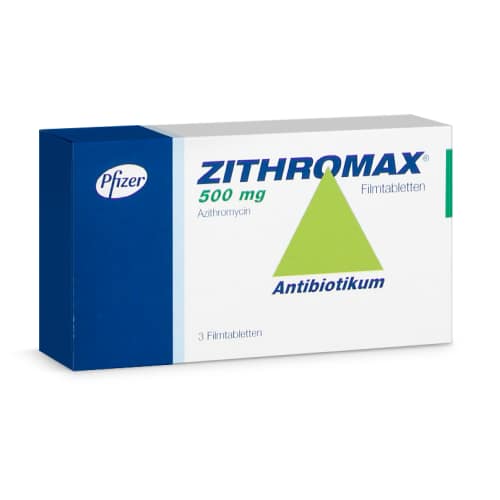
Zithromax (Azithromycin) in the United States: The Complete Expert Guide for 2026
Can you get Zithromax without a prescription in the United States?
No, Zithromax (azithromycin) is a prescription-only medication in the United States. Purchasing it without a valid prescription is illegal and potentially unsafe. Only a licensed healthcare provider can prescribe Zithromax after evaluating your condition.
Quick Summary: Key Facts about Zithromax (Azithromycin)
| Parameter | Details (2026, United States) |
|---|---|
| Active Ingredient | Azithromycin |
| Drug Category | Antibiotic (Macrolide) |
| Prescription Requirement | Prescription only |
| Main Indications | Bacterial infections: respiratory, skin, sexually transmitted, some GI infections |
| Onset of Action | Within 24-48 hours for most infections |
| Most Common Side Effect | Gastrointestinal upset (nausea, diarrhea) |
| Absolute Contraindication | History of severe allergy to macrolides |
| Typical Price (2026, Generic) | $10–$30 per 5-day course (generic); $40–$80 (brand) |
- Only available from licensed U.S. pharmacies with a valid prescription.
- Generic azithromycin is widely available and covered by most insurance plans.
- Counterfeit risk is high from unverified online sellers—always use verified sources.
How Does Zithromax Work? Mechanism and Scientific Insights
Zithromax (azithromycin) is a macrolide antibiotic that fights bacteria by inhibiting protein synthesis. Specifically, it binds to the 50S subunit of the bacterial ribosome, blocking the translocation of peptides—meaning bacteria can’t make vital proteins and eventually die or stop multiplying. This action is bacteriostatic (inhibits growth) but can be bactericidal (kills bacteria) at higher concentrations or against specific pathogens.
Recent clinical evidence: A 2024 meta-analysis of over 15,000 adult and pediatric patients showed azithromycin remains effective for respiratory tract infections, though resistance patterns vary by region. The study highlighted efficacy rates of 82–89% for community-acquired pneumonia, but noted lower effectiveness (60–70%) for certain urinary infections due to resistant E. coli (PubMed).
Unlike some antibiotics, azithromycin is known for its long half-life (about 68 hours), allowing once-daily dosing and shorter treatment courses—often just 3–5 days. It is absorbed via the GI tract, widely distributed in tissues, and slowly eliminated via bile and feces. Notably, its tissue concentrations often exceed plasma levels, contributing to its efficacy in intracellular infections.
Metaphor: Think of Zithromax as a lock on the assembly line of a factory—if you stop the conveyor belt (protein synthesis), the factory (bacteria) can’t produce its products and eventually shuts down.
Expert Commentary from doctor
In daily practice, one of the biggest misconceptions patients have about Zithromax is that it’s a “strong” antibiotic suitable for any infection or even viruses like the common cold or COVID-19. I often see people requesting Zithromax for viral symptoms, which is inappropriate and contributes to antibiotic resistance. Another issue is non-adherence: skipping doses or not completing the course can make the infection worse or recur. Many patients don’t realize that, due to its long half-life, even missing a dose can disrupt blood levels. My advice: always finish the prescribed course, take it at the same time daily, and never use leftover antibiotics for future illnesses or share them with others. Above all, always consult your healthcare provider before starting or stopping any antibiotic.
How to Take Zithromax Safely: Dosage and Administration
| Infection/Indication | Typical Adult Dose | Course Duration |
|---|---|---|
| Respiratory infection (e.g., bronchitis, pneumonia) | 500 mg on day 1, then 250 mg daily | 5 days |
| Chlamydia (STI) | 1,000 mg (single dose) | 1 day |
| Skin/soft tissue infection | 500 mg on day 1, then 250 mg daily | 5 days |
| Strep throat* | 12 mg/kg (max 500 mg) once daily | 5 days |
- Always follow your doctor’s instructions—these are typical regimens and may differ for your situation.
- Maximum safe adult daily dose: 2,000 mg (should not be exceeded unless specifically instructed by an infectious disease specialist).
- Children’s doses are weight-based. Consult a pediatrician for exact dosing.
- Tablets may be swallowed whole; extended-release forms must not be split or crushed.
- For liver/kidney impairment or elderly patients, discuss with your healthcare provider—dose adjustment may be required.
*Zithromax is not a first-line treatment for strep throat; penicillin or amoxicillin remain preferred due to resistance concerns.
Food, Alcohol, and Lifestyle: What Interacts with Zithromax?
- Food:
- Zithromax tablets or capsules can be taken with or without food. However, taking with food may reduce stomach upset for sensitive individuals. Fatty meals do not significantly affect absorption, but can slightly delay the onset of action by up to 30 minutes.
- Alcohol:
- Moderate alcohol intake (1–2 standard drinks/day) is not strictly prohibited, but heavy drinking should be avoided due to increased liver strain and the risk of dehydration, which can worsen side effects like stomach upset. In short: if you must drink, keep it minimal (<14g ethanol/day), but abstaining during the course is safest.
- Grapefruit Juice:
- No clinically significant interaction is known between azithromycin and grapefruit juice, unlike some other antibiotics or statins.
- Antacids:
- Do not take aluminum- or magnesium-containing antacids within 2 hours before or after Zithromax, as they can decrease absorption.
Always review your medication list with your provider to avoid harmful interactions.
Who Should NOT Take Zithromax? Contraindications & Precautions
| Type | Details |
|---|---|
| Absolute |
|
| Relative (Caution Required) |
|
Always inform your provider about all medications and health conditions before starting Zithromax.
What Side Effects Are Most Common with Zithromax?
| Frequency | Side Effect | Explanation/Notes |
|---|---|---|
| Very Common (>10%) | Diarrhea, Nausea | Due to disruption of gut flora |
| Common (1–10%) | Abdominal pain, Vomiting, Headache | Transient, usually mild |
| Rare (0.01–0.1%) | Allergic reactions (rash, angioedema) | Immediate medical attention required |
| Very Rare (<0.01%) | Severe liver injury, QT prolongation (arrhythmia), Stevens-Johnson syndrome | Life-threatening; discontinue immediately |
- If you develop signs of a severe reaction (swelling of face/throat, difficulty breathing, blistering rash), call 911 or seek emergency care immediately.
- For mild GI side effects, taking the medication with food may help.
- Notify your provider if any unusual symptoms develop during therapy.
Common Patient Mistakes Observed by doctor
- Stopping the course early as soon as symptoms improve: This can lead to bacterial resistance and relapse. Solution: Always complete the prescribed duration, even if you feel better.
- Using leftover Zithromax for unrelated illnesses or sharing with friends/family: Antibiotics must be tailored to the infection type and individual health profile. Solution: Discard unused antibiotics as per pharmacy instructions.
- Taking antacids or supplements immediately with Zithromax: As noted, this reduces absorption and may make treatment less effective. Solution: Separate by at least 2 hours.
- Misunderstanding indications—using Zithromax for viral infections: Antibiotics do not treat viruses. Solution: Use only for diagnosed bacterial infections on your doctor’s advice.
- Skipping doses or not taking at the same time each day: This can reduce efficacy and promote resistance. Solution: Set a reminder or alarm to help with adherence.
How Does Zithromax Compare to Alternatives?
| Medication | Active Ingredient | Main Indications | Onset Speed | Typical Course | Price (USD, 2026) | Notable Side Effects |
|---|---|---|---|---|---|---|
| Zithromax (brand/generic) | Azithromycin | Respiratory, skin, some STIs | 24-48 hours | 3-5 days (or single dose for STI) | $10–$30 (generic), $40–$80 (brand/5-day) | GI upset, rare QT prolongation |
| Amoxil | Amoxicillin | Respiratory, urinary, ENT, dental infections | 24–48 hours | 7–10 days | $8–$20 (generic/7-day) | Allergy (rash), diarrhea |
| Biaxin | Clarithromycin | Respiratory, H. pylori, some skin infections | 24–48 hours | 7–14 days | $40–$90 (brand/10-day) | Metallic taste, GI upset, drug interactions |
| Cefzil | Cefprozil (cephalosporin) | Respiratory, skin | 24–48 hours | 7–10 days | $15–$40 (generic/7-day) | Allergy, diarrhea |
Bottom line: Zithromax’s key advantage is its short course and convenient dosing. For certain infections (e.g., strep throat, urinary tract), other antibiotics may be preferred due to resistance patterns or better efficacy. Cost for generics is similar across most alternatives. Always consult your provider for the most appropriate choice.
Questions Frequently Asked to doctor
- 1. What if I miss a dose of Zithromax?
- Take it as soon as you remember. If it’s almost time for your next dose, skip the missed one—don’t double up. Maintaining a steady schedule helps ensure effectiveness.
- 2. Can I take Zithromax and birth control pills together?
- Yes, azithromycin does not reduce the effectiveness of hormonal contraception. However, severe vomiting or diarrhea from antibiotics can lower contraceptive absorption—use backup protection if that happens.
- 3. Is it safe to use Zithromax long-term?
- In rare cases (e.g., chronic lung disease), long-term use is prescribed by specialists. Routine or unsupervised long-term use is not recommended due to risk of resistance and side effects.
- 4. Can I drive or operate machinery while taking Zithromax?
- Zithromax does not directly impair alertness, but if you experience dizziness or severe GI upset, use caution until you know how it affects you.
- 5. What should I do if I develop a rash or allergic reaction?
- Stop taking Zithromax and seek immediate medical attention. Allergic reactions can be life-threatening.
- 6. How soon will I feel better after starting Zithromax?
- Most people notice improvement in 1–2 days, but you must still complete the full course, even if you feel well earlier.
- 7. I have liver/kidney problems. Is Zithromax safe for me?
- Mild to moderate impairment typically requires no adjustment, but severe liver disease may be a contraindication. Always discuss your full medical history with your provider before starting.
Zithromax Key Characteristics Table
| Parameter | Value |
| Active ingredient | Azithromycin |
| Drug class | Macrolide antibiotic |
| Standard adult dose | 500 mg day 1, then 250 mg daily |
| Half-life (T1/2) | ~68 hours |
| Metabolism | Mainly liver; excretion via bile/feces |
| Peak plasma time | 2–3 hours post-dose |
| Available forms | Tablet, suspension, IV (hospital use) |
| Prescription requirement (U.S.) | Yes, required |
| Typical retail price (2026) | $10–$30 per course (generic) |
How to Obtain Zithromax Legally in the United States—Step-by-Step
- Schedule a medical evaluation: Visit your primary care provider, urgent care, or use a telemedicine platform (e.g., Teladoc, Amwell) for a virtual consultation.
- Complete a clinical assessment: The provider will take your history, review symptoms, and may order tests to confirm a bacterial infection.
- Receive your prescription: If appropriate, the provider will send an electronic prescription to your chosen U.S. pharmacy (CVS, Walgreens, Rite Aid, etc.), or to a licensed mail-order pharmacy.
- Pick up or receive your medication: Present identification and insurance (if applicable). Pharmacists will verify your prescription and provide counseling.
- Follow usage instructions: Take exactly as prescribed. Ask the pharmacist about potential interactions or side effects.
Note: Pharmacies in the United States are strictly regulated by the FDA and state boards of pharmacy. Never purchase antibiotics from overseas or unverified sources.
Is it Legal to Buy Zithromax Online in the United States?
Yes, but only through licensed U.S. pharmacies that require a valid prescription. The FDA warns that many online sellers operating without prescriptions are illegal and may sell counterfeit or contaminated products. Verified pharmacies display a VIPPS (Verified Internet Pharmacy Practice Sites) seal.
- Check for state pharmacy board licensing and the NABP VIPPS logo.
- Never trust online sellers who do not ask for a prescription.
- Counterfeit antibiotics may look real but lack active ingredients or contain toxic substances.
How to Identify Genuine Zithromax and Avoid Counterfeits
- Packaging: U.S.-approved Zithromax comes in blister packs or prescription bottles with clear labeling (NDC number, manufacturer, lot number, expiration date).
- Tablet appearance: Original Zithromax tablets are oval, pink, and engraved with the dosage (e.g., “Pfizer ZD” for 250 mg). Generics may differ in color/shape but always have consistent markings per FDA approval.
- Verification: Look for holograms, QR codes, or barcodes on packaging. Pharmacists can verify authenticity; suspiciously low prices are a red flag.
- Generics: FDA-approved generics must meet the same quality and efficacy standards as the brand, but may use different fillers (explained below).
If you suspect counterfeit medication, do not use it—report to the FDA’s MedWatch program (FDA MedWatch).
What to Do in Case of Overdose: Immediate Actions
- Stop taking Zithromax immediately.
- Call your local emergency number (911 in the U.S.) or go to the nearest emergency room.
- Inform medical staff about the exact dose and time taken.
- Bring the medication packaging for reference.
- Do not try to induce vomiting unless instructed by medical professionals.
Symptoms of overdose may include: severe nausea, vomiting, diarrhea, temporary hearing loss, or heart rhythm disturbances. There is no specific antidote; treatment is supportive.
Special Populations: Who Needs Extra Caution?
- Elderly: May be more prone to QT prolongation (arrhythmia). Monitor closely, especially if on other heart medications.
- Pregnancy/Breastfeeding: Use only if benefits clearly outweigh risks. Azithromycin is Category B (no evidence of fetal harm in animals, but data in humans limited).
- Severe liver impairment: Avoid use—azithromycin is metabolized in the liver.
- Renal impairment: No dose adjustment in mild-moderate cases, but monitor for toxicity if severe.
- Pediatrics: Use weight-based dosing; liquid (suspension) form preferred for children.
There is no evidence that Zithromax affects fertility or impairs the ability to drive or operate machinery, but use caution if you feel unwell.
Branded vs Generic Azithromycin: What’s the Difference?
Branded Zithromax (original, e.g., from Pfizer) and generic azithromycin (from various U.S.-approved manufacturers) both contain the same active ingredient and must pass rigorous FDA bioequivalence testing.
- Efficacy & safety: Clinical studies confirm that generics work just as well as branded products (FDA).
- Excipients: Inactive ingredients (binders, coloring agents, fillers) may differ. For most individuals, this makes no difference, but rare allergies are possible.
- Cost: Generics are significantly less expensive (see price comparison table above). Insurance plans and Medicare often cover only generics unless brand is specifically requested for medical reasons.
If you have a known allergy to a specific excipient, ask your pharmacist to verify the ingredients before filling your prescription.
Zithromax Compatibility with Other Products: Quick Reference Table
| Product/Drug | Can it be combined? | Potential Issue |
|---|---|---|
| Ibuprofen | Yes | No significant interaction |
| Oral contraceptives | Yes | No direct interaction; vomiting/diarrhea may affect absorption |
| Antacids (aluminum/magnesium) | Take 2+ hours apart | Reduces azithromycin absorption |
| Amiodarone, sotalol (antiarrhythmics) | NO (unless specialist-managed) | Serious risk of heart rhythm disturbances |
| Alcohol | Minimal/moderate | Heavy use increases liver risk; moderation advised |
| Warfarin | Caution | May increase bleeding risk; monitor INR |
A Note on Psychological Support
If you’ve been prescribed Zithromax for a persistent or embarrassing infection, remember that these conditions are common and manageable. Don’t hesitate to discuss concerns openly with your provider or pharmacist. Mental well-being is a crucial part of physical recovery.
Myth vs Reality: Zithromax Insights
- Myth: Zithromax cures all infections, including viruses like COVID-19 and the common cold.
Reality: It treats only bacterial infections. Using it for viruses provides no benefit and can cause harm. - Myth: The more antibiotics you take, the faster you’ll recover.
Reality: Overuse increases side effects and resistance. Always stick to prescribed dosages and durations. - Myth: If you feel better before finishing the course, you can stop.
Reality: Stopping early may cause recurrence or resistance. Always complete the full prescribed course.
Professional Opinion of doctor
In my experience, Zithromax (azithromycin) is most beneficial for patients with well-documented bacterial infections such as community-acquired pneumonia, certain skin infections, or specific sexually transmitted diseases like chlamydia. Its advantages are clear: convenient once-daily dosing, a short course, and good tissue penetration. However, azithromycin is not a cure-all: it will not help with viral illnesses and is less effective against some resistant bacteria. In patients with heart rhythm abnormalities or those on certain heart medications, alternative antibiotics may be safer.
I weigh benefit against risk—patients with liver disease, prior allergic reactions, or on QT-prolonging drugs may need a different therapy. For most, especially with clear bacterial indications, Zithromax is effective, safe, and convenient if used correctly. But indiscriminate use promotes resistance—a growing public health threat. Always trust your provider’s judgment on when Zithromax is the right choice.
FAQ: Zithromax in the United States
- Is Zithromax available without a prescription in the U.S.?
- No, a valid prescription from a licensed provider is required by law.
- How much does a course of Zithromax cost?
- In 2026, a 5-day generic course usually costs $10–$30; branded costs more ($40–$80).
- Can I use Zithromax for COVID-19 or the flu?
- No. It is not effective against viruses; use only for physician-confirmed bacterial infections.
- What are the most serious side effects?
- Severe allergic reactions, liver injury, and rare heart rhythm disturbances (QT prolongation).
- How quickly does Zithromax work?
- Most people notice improvement within 24–48 hours, but always finish the course as instructed.
- Are generics as good as brand-name Zithromax?
- Yes, FDA-approved generics are bioequivalent and equally effective for approved uses.
- Can I drink alcohol while taking Zithromax?
- Small amounts are generally safe, but heavy drinking increases side effects and should be avoided.
- What should I do if I suspect my Zithromax is counterfeit?
- Do not take it. Report to the FDA and consult your pharmacist or provider immediately.
References
- U.S. Food and Drug Administration (FDA). “Zithromax (azithromycin) Labeling.” Accessed 2026. https://www.fda.gov/drugs
- Centers for Disease Control and Prevention (CDC). “Antibiotic/Antimicrobial Resistance.” Accessed 2026. https://www.cdc.gov/drugresistance/index.html
- PubMed. “Azithromycin effectiveness in respiratory tract infections: 2024 meta-analysis.” Accessed 2026. https://pubmed.ncbi.nlm.nih.gov/
- Mayo Clinic. “Azithromycin (Oral Route) Description and Brand Names.” Accessed 2026. https://www.mayoclinic.org/drugs-supplements/azithromycin-oral-route/description/drg-20072366
- FDA MedWatch. “Reporting Counterfeit Drugs.” Accessed 2026. https://www.fda.gov/safety/medwatch-fda-safety-information-and-adverse-event-reporting-program
- National Association of Boards of Pharmacy (NABP). “Verified Internet Pharmacy Practice Sites.” Accessed 2026. https://nabp.pharmacy/programs/vipps/
Conclusion: Zithromax is a highly effective antibiotic for specific bacterial infections when used correctly in consultation with a licensed provider. Self-medication is dangerous—always consult a healthcare professional in the United States before starting or discontinuing any prescription medication.